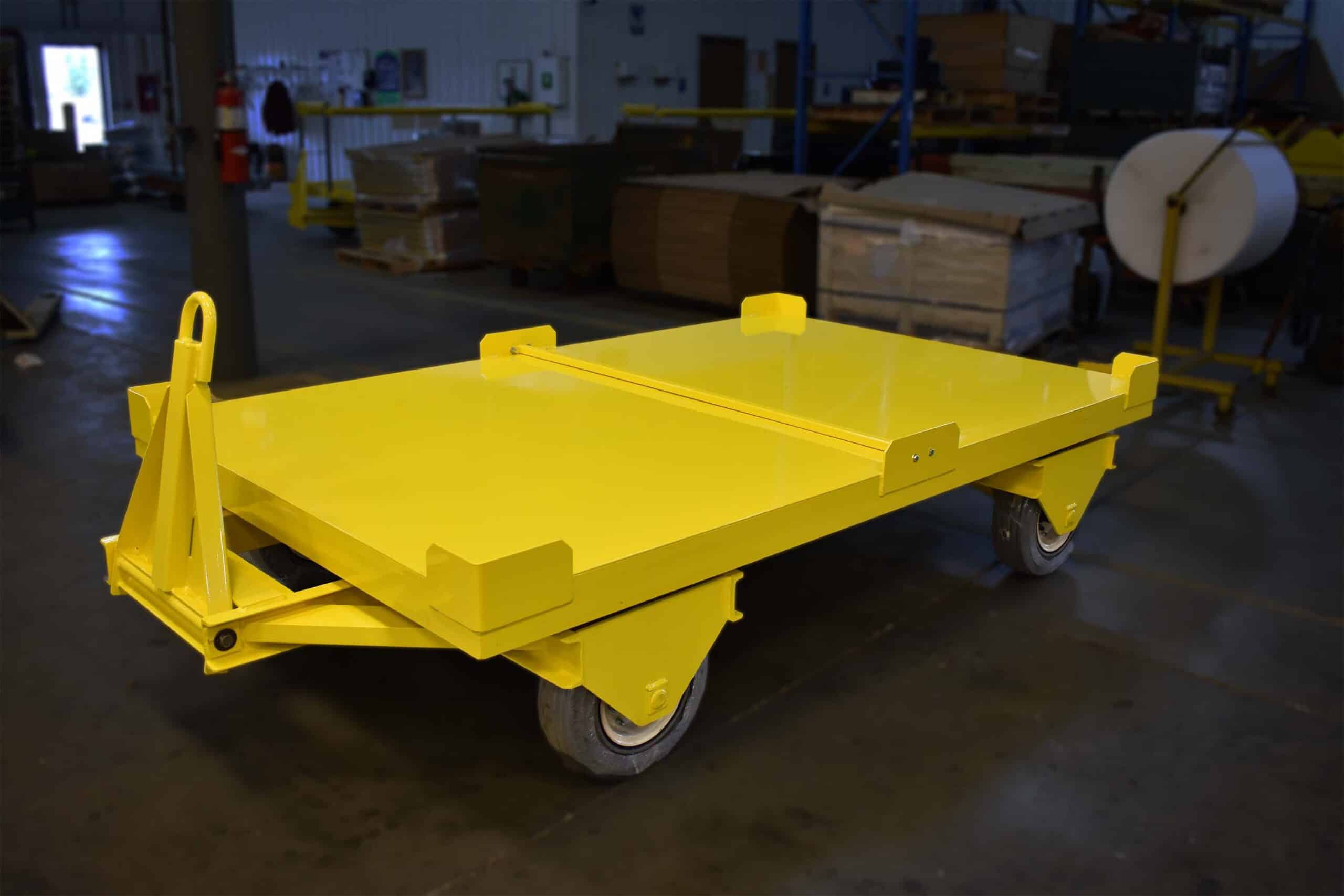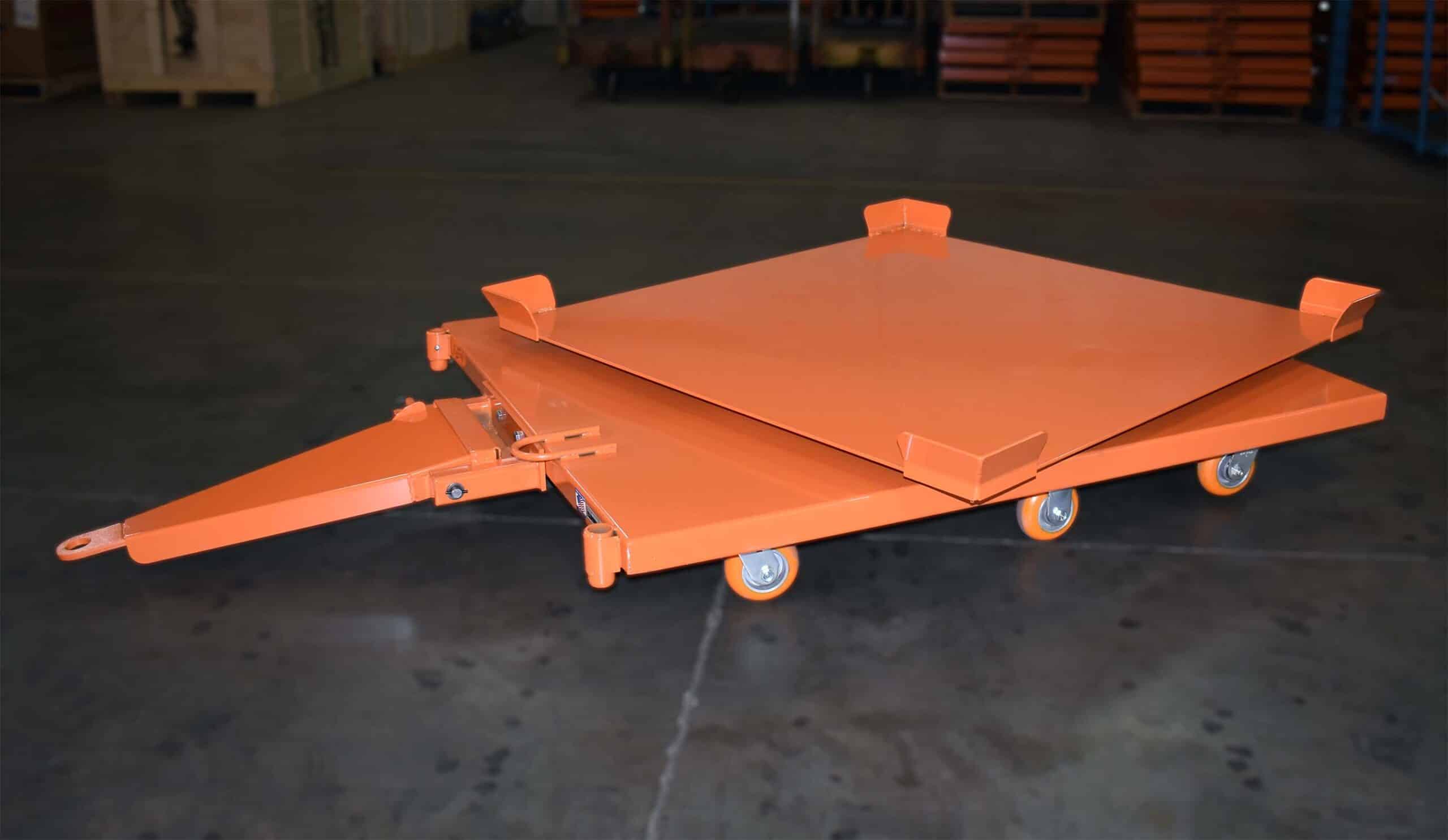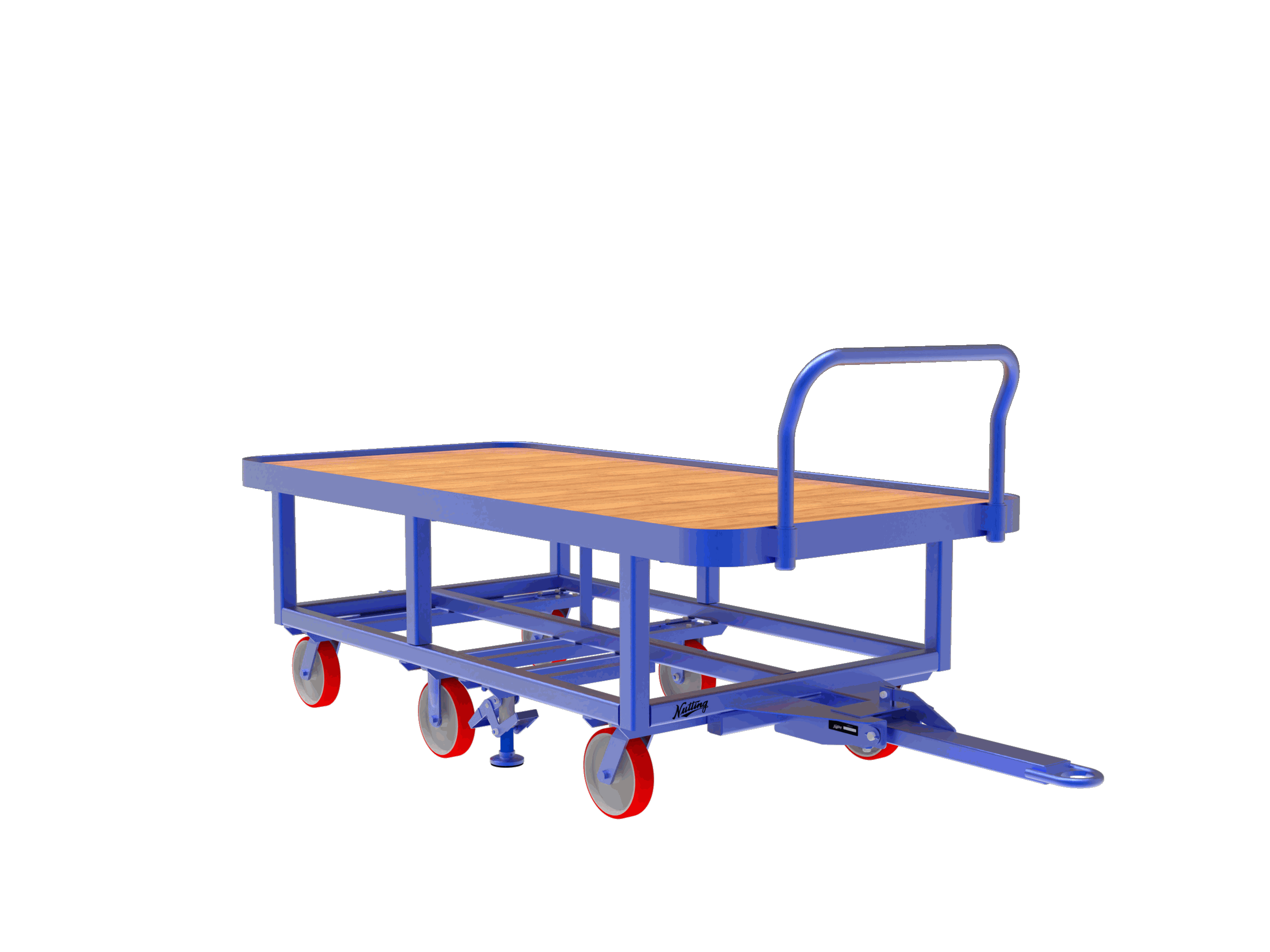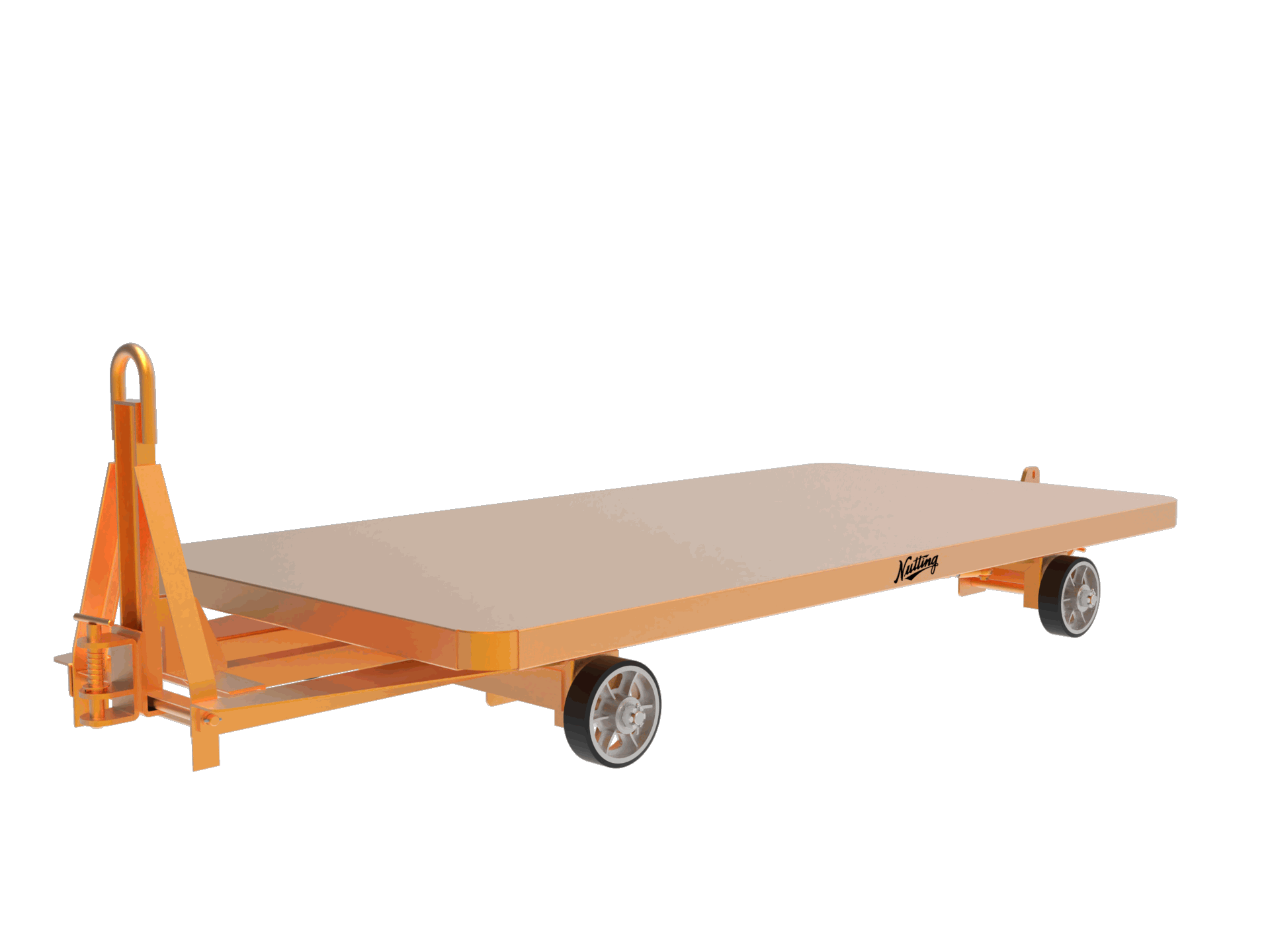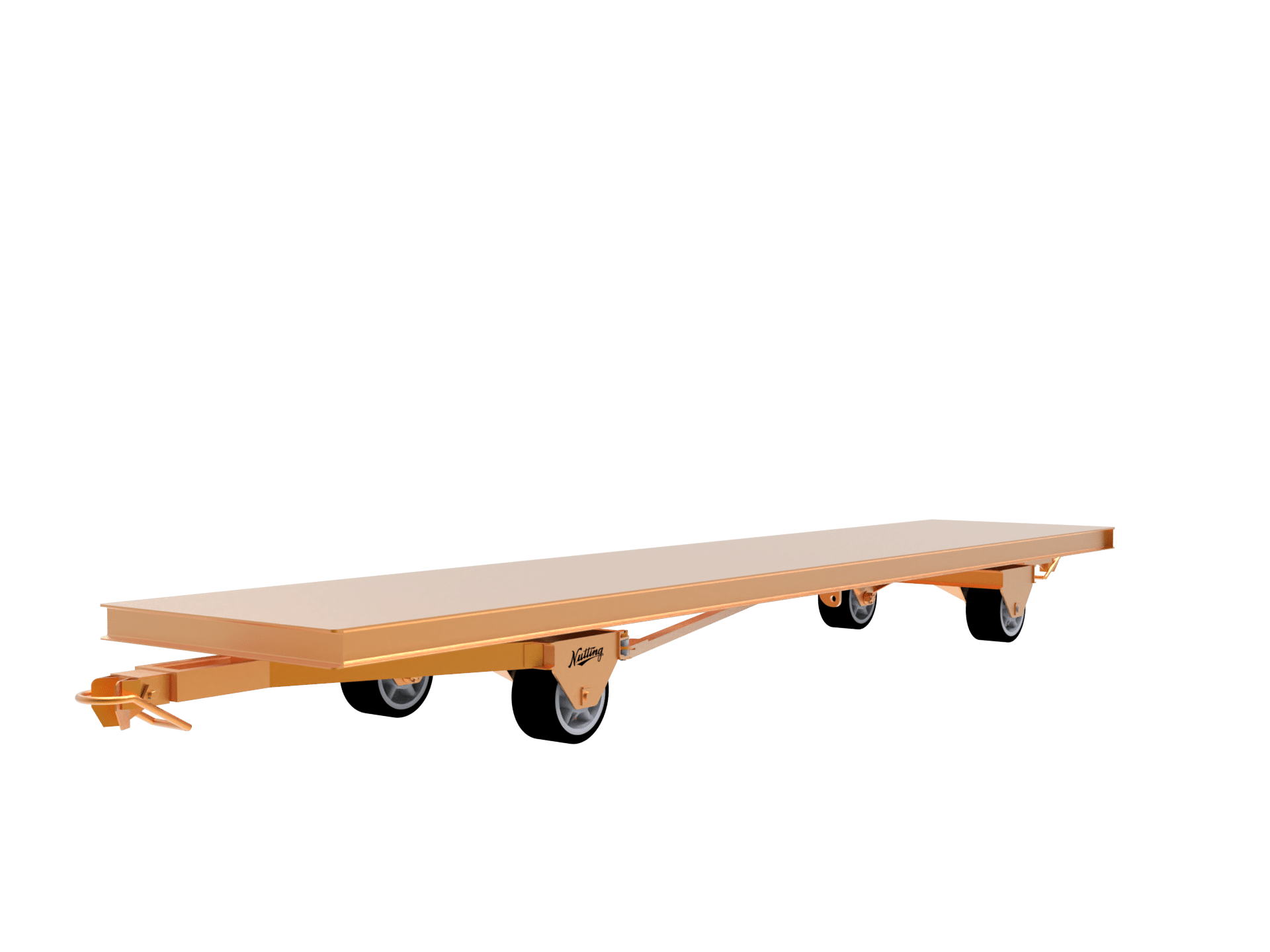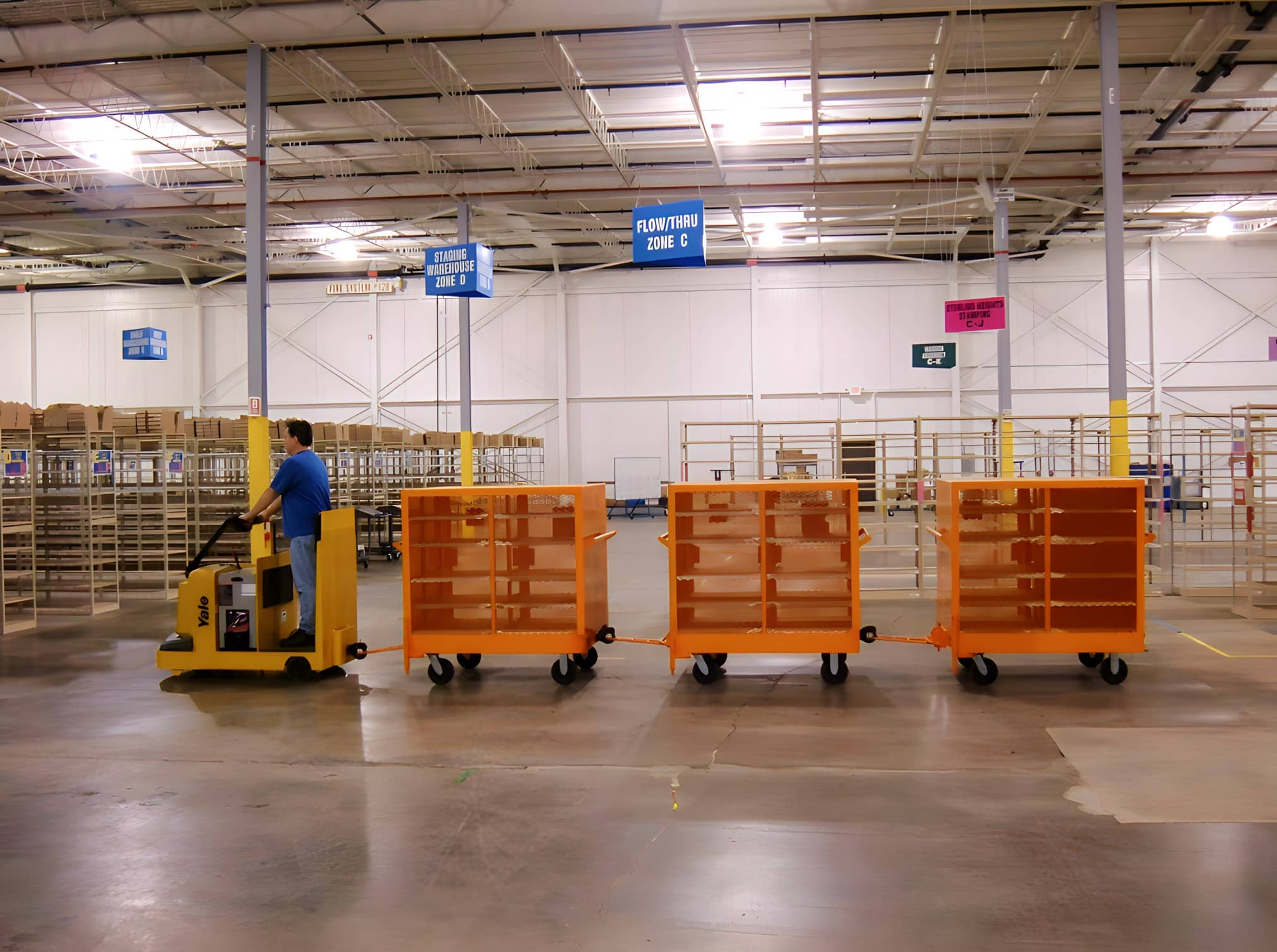
Optimize Your Operations With a Tugger Cart

Have you been looking for ways to maximize efficiency and optimize operations? If so, then a tugger cart may be the supply chain solution you’ve been searching for. Tugger carts provide warehouses with an invaluable service – transporting materials throughout the facility quickly, safely, securely & reliably.

Implementing this type of equipment into your workflow can make a massive difference in the efficiency of your operation. It can help eliminate wasted time walking or transporting goods from one area to another. It also provides operators with quick access to inventory and supplies whenever needed. There’s no doubt that this is beneficial.

What is a tugger cart, and how can it help your operations

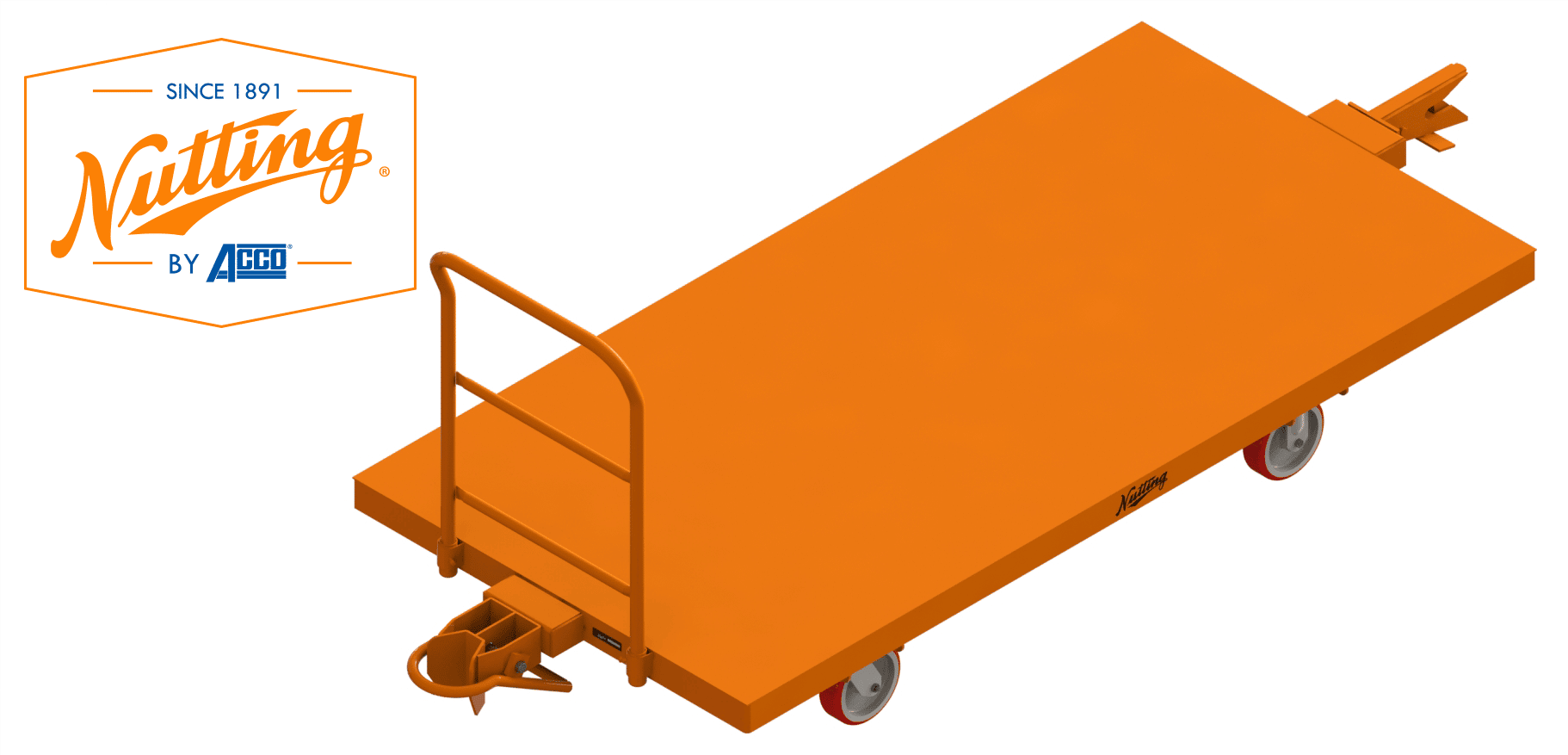
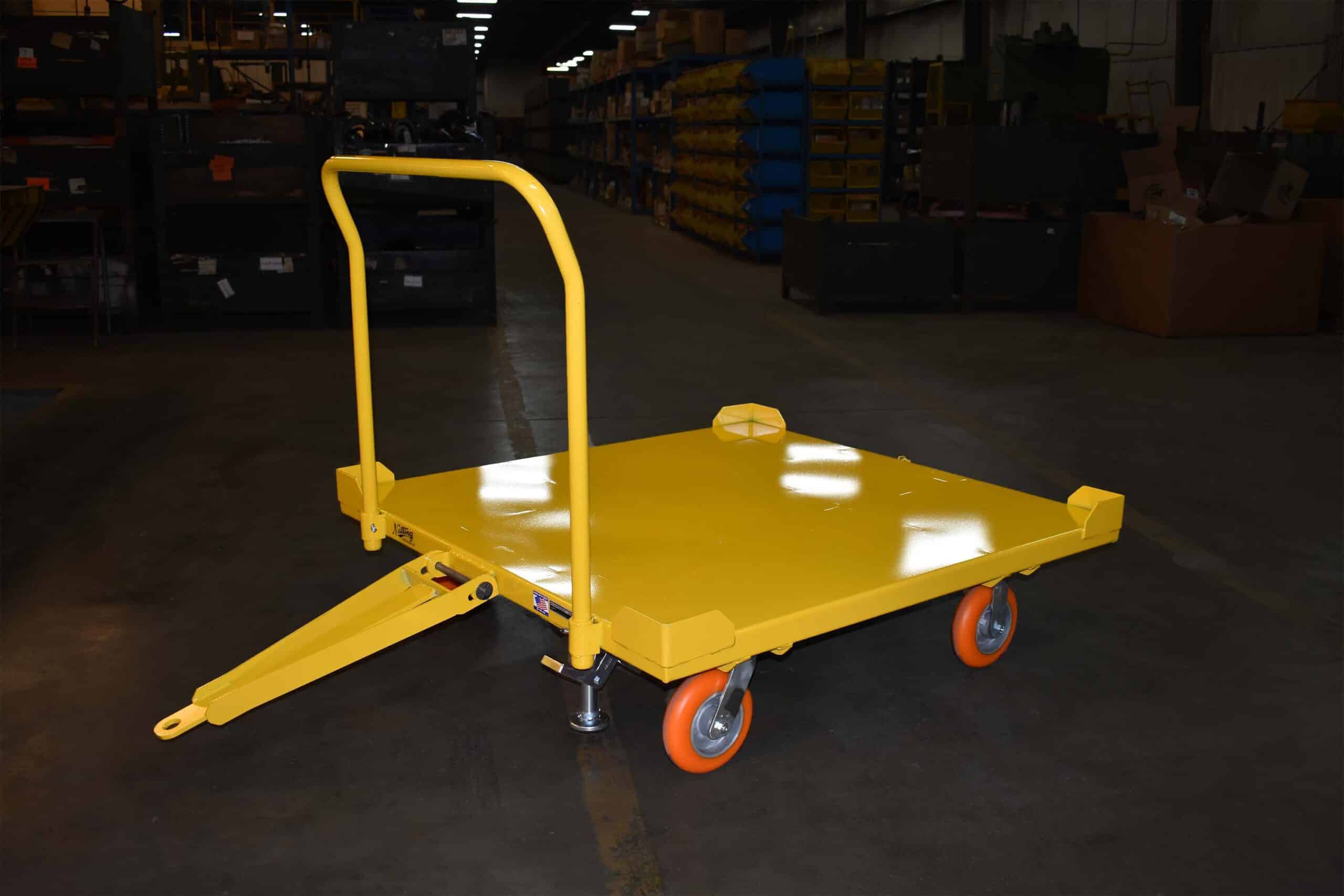
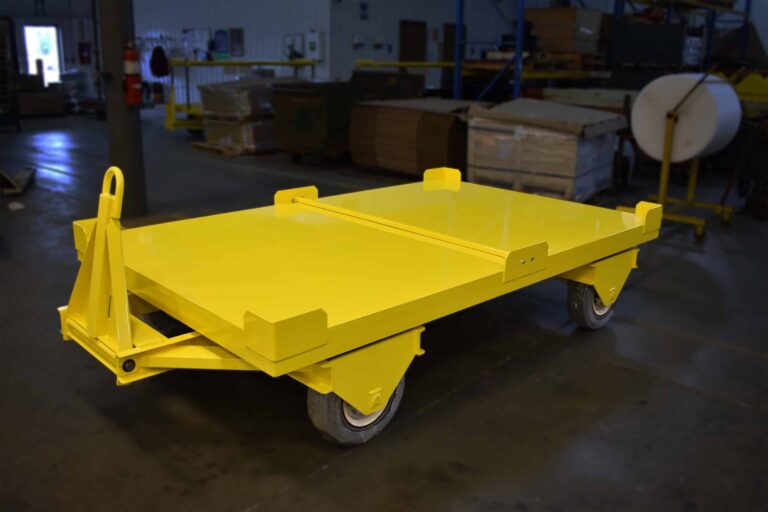
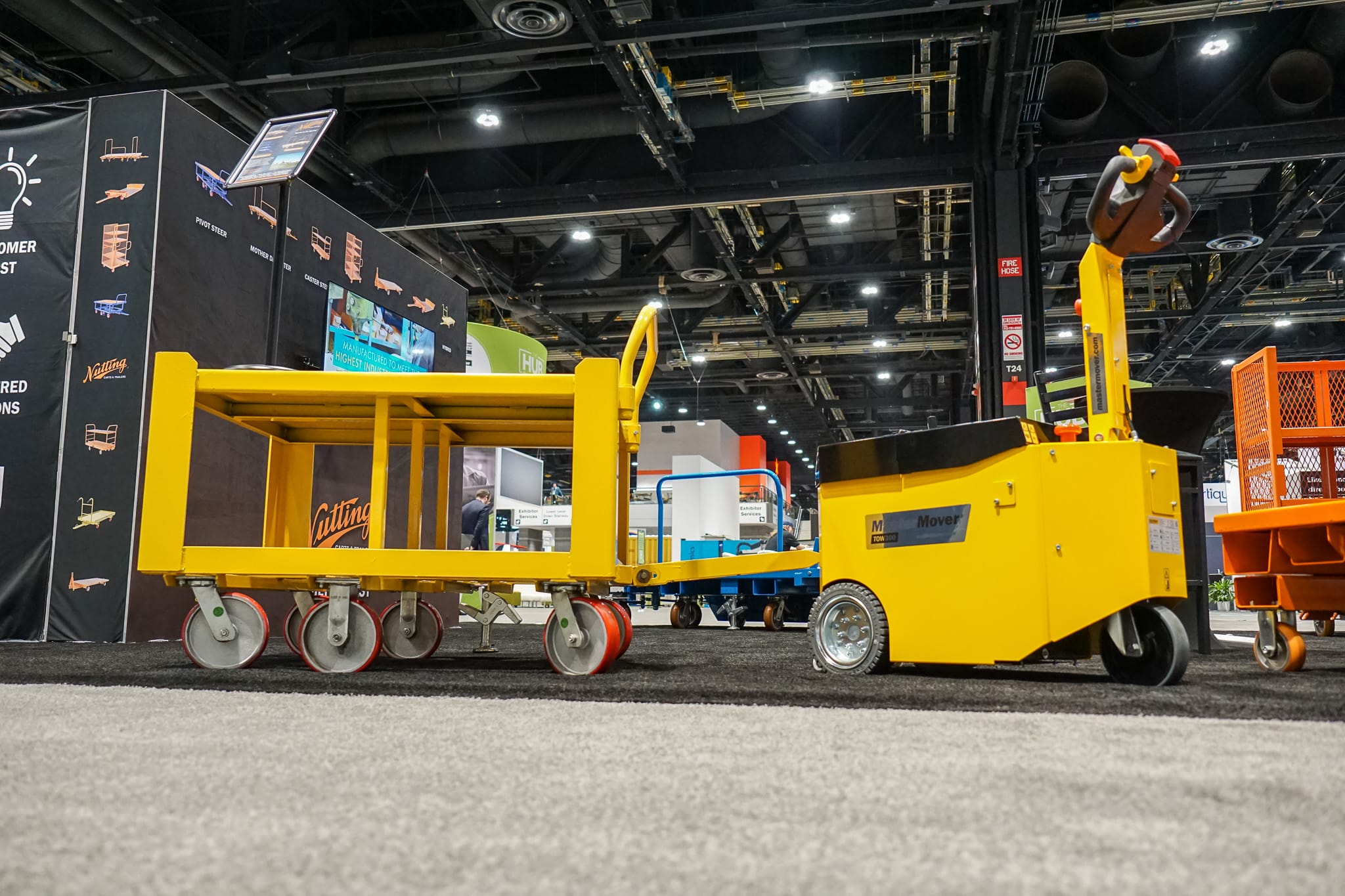
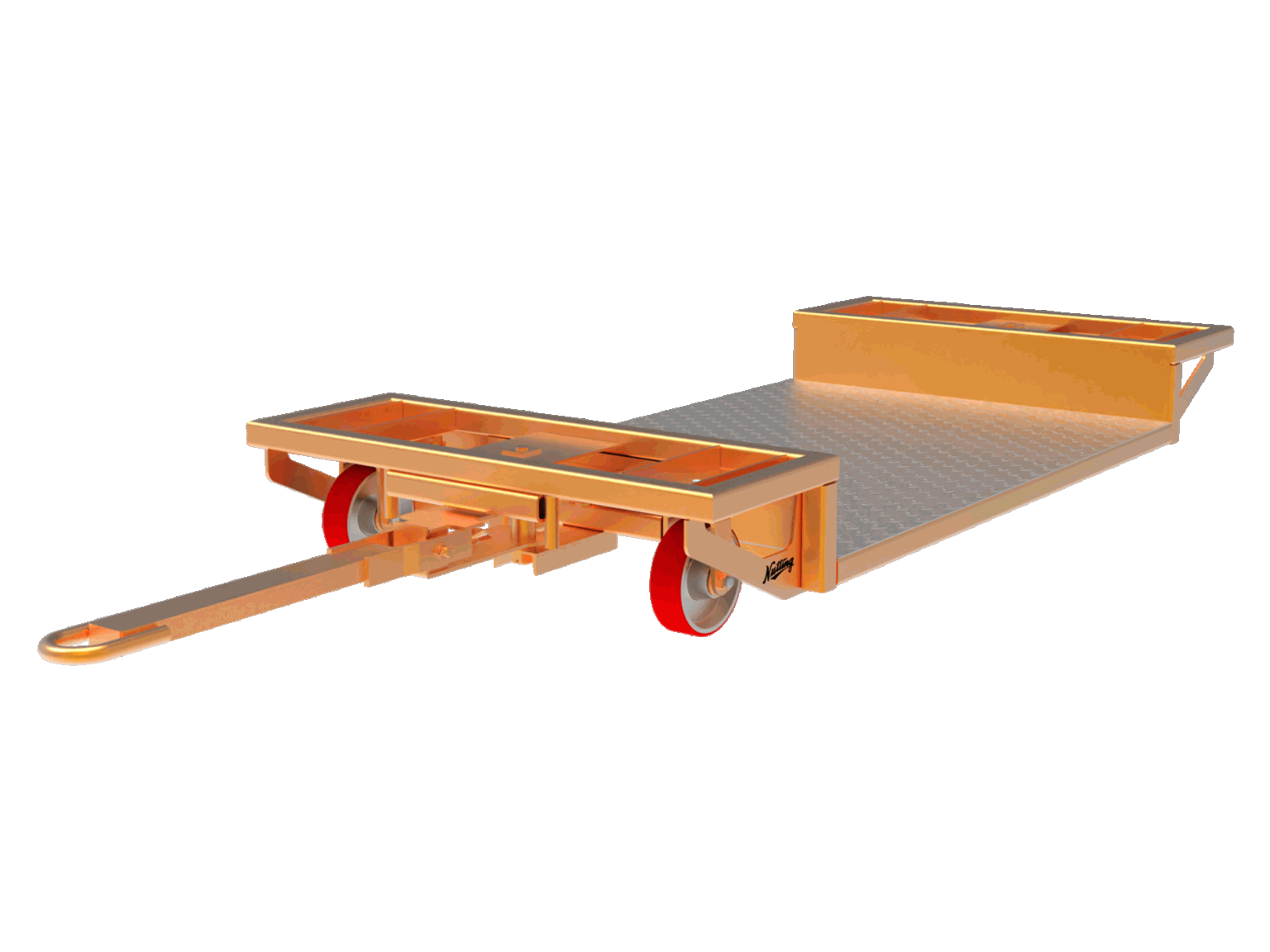
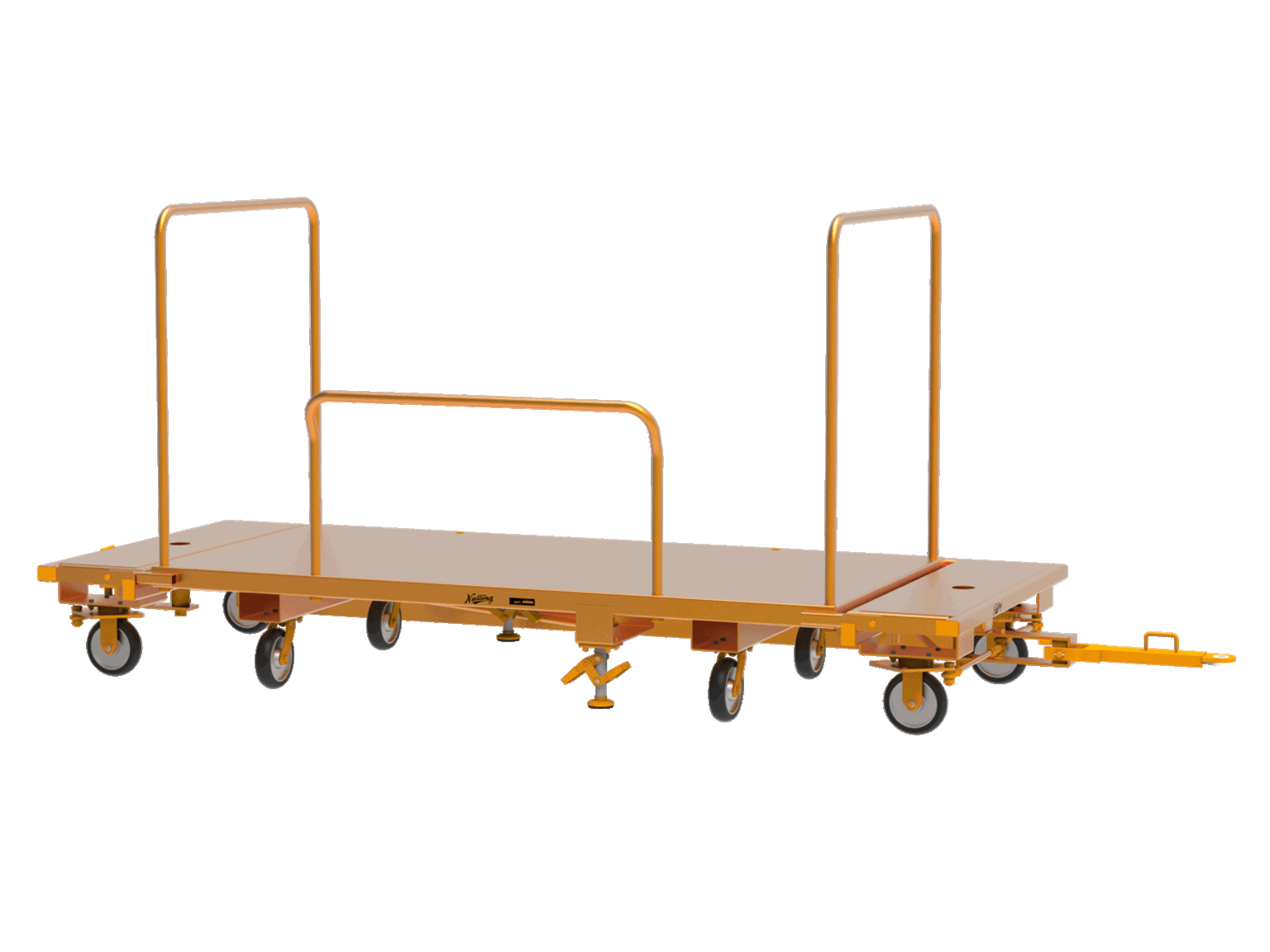
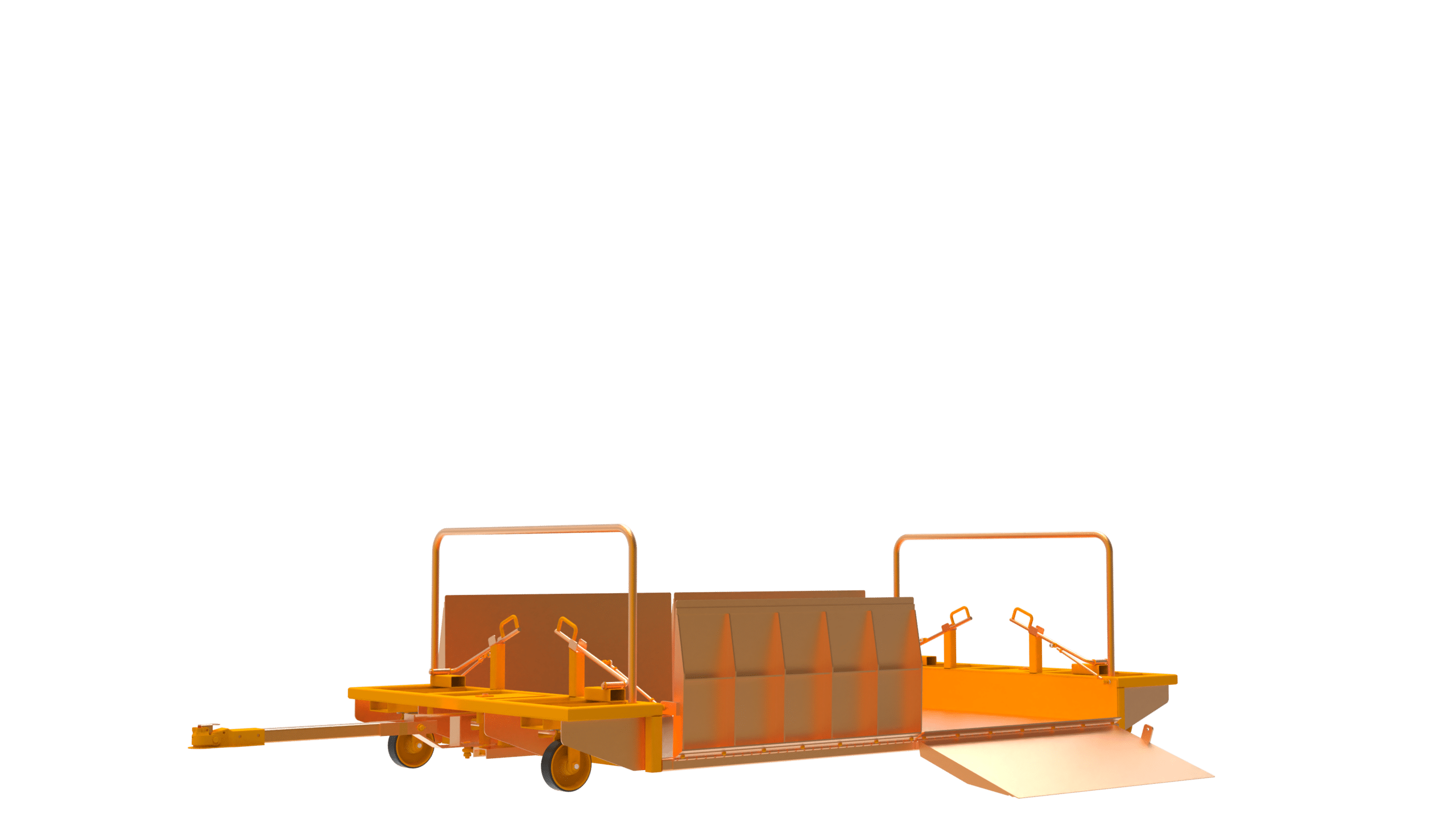
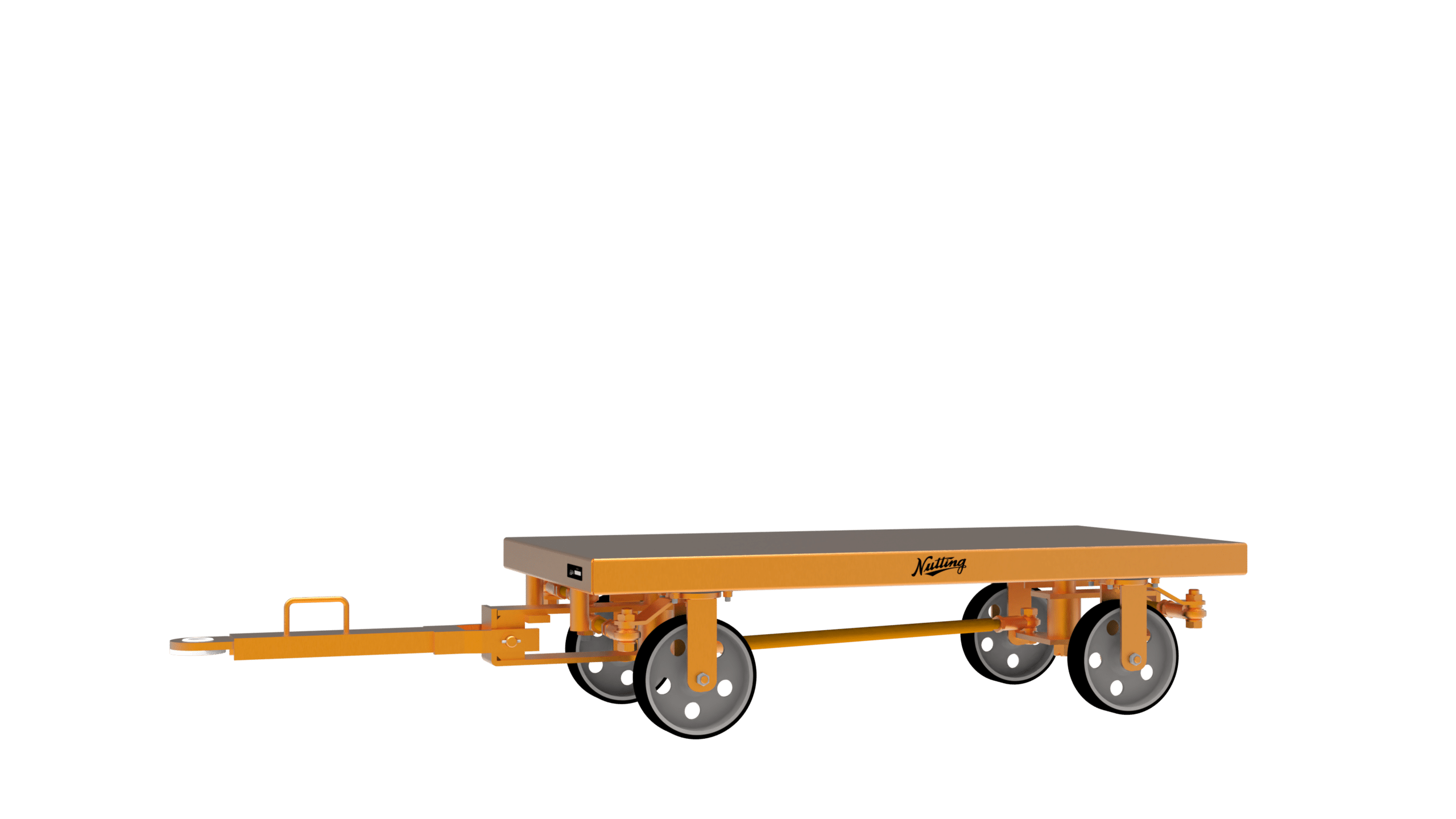
A material handling tugger cart is a piece of warehouse equipment that can move material quickly and efficiently throughout your facility. This type of vehicle is usually designed for use with an electric tugger. It can carry a range of materials, from heavy items like coils and pallets to smaller containers and packages. The tugger cart can improve warehouse material flow by decreasing time, travel, and labor costs and reducing inventory damage.

A tugger cart is an excellent tool for quickly transporting material. It has a stable handling and compact design, so no extra people or machinery are needed. Point A to B can be easily covered. A tugger cart can help lower overhead expenses while ensuring operations are conducted safely.


Determining the right size tugger cart for your business needs

The right size tugger cart can make a massive difference to your business’s material handling operations’ productivity, efficiency, and safety. Choosing the right tugger cart for you can be difficult. There are many options available on the market. Consider your needs carefully before making a decision.

The turning radius and aisle width your business requires are essential considerations in this decision process. An experienced Nutting sales team member can assist you. They can help you find the perfect tugger cart size for your operations. Additionally, they can create a custom solution tailored to your needs.

What are the benefits of implementing tugger carts into your workflow?

Implementing tugger carts into your workflow can lead to significant improvements in operational efficiency. It eliminates wasted time spent on walking or transporting goods from one area to another. Additionally, it provides operators with quick access to inventory and supplies whenever needed. By streamlining material transportation, tugger carts contribute to a more efficient workflow, saving time and enhancing productivity.

How does the use of tugger carts help lower overhead expenses and ensure safe operations?

By employing tugger carts, businesses can lower overhead expenses. The carts eliminate the need for additional personnel or machinery for material transportation, reducing labor costs. Moreover, their efficient design allows for optimal use of space, maximizing storage capacity and potentially reducing the need for additional storage solutions. Additionally, tugger carts are designed with safety in mind, providing stability and ease of use, which helps to prevent accidents and injuries in the workplace.

How does the low profile design of tugger carts keep items in the ergonomic zone for operators?

The low profile design of tugger carts ensures that the stacked totes and bins remain within the ergonomic zone for the operators. The ergonomic zone refers to a comfortable and safe range of movement for the operators. By keeping the items within this zone, the low profile design of the carts minimizes the need for operators to strain or exert excessive effort when accessing the stored items.

The low profile design of tugger carts allows for the creation of low riders or lowboy carts. These carts have a very low profile, which enables stacking more totes and bins on top of each other. As a result, the storage capacity of the carts is maximized, allowing for more efficient use of space.
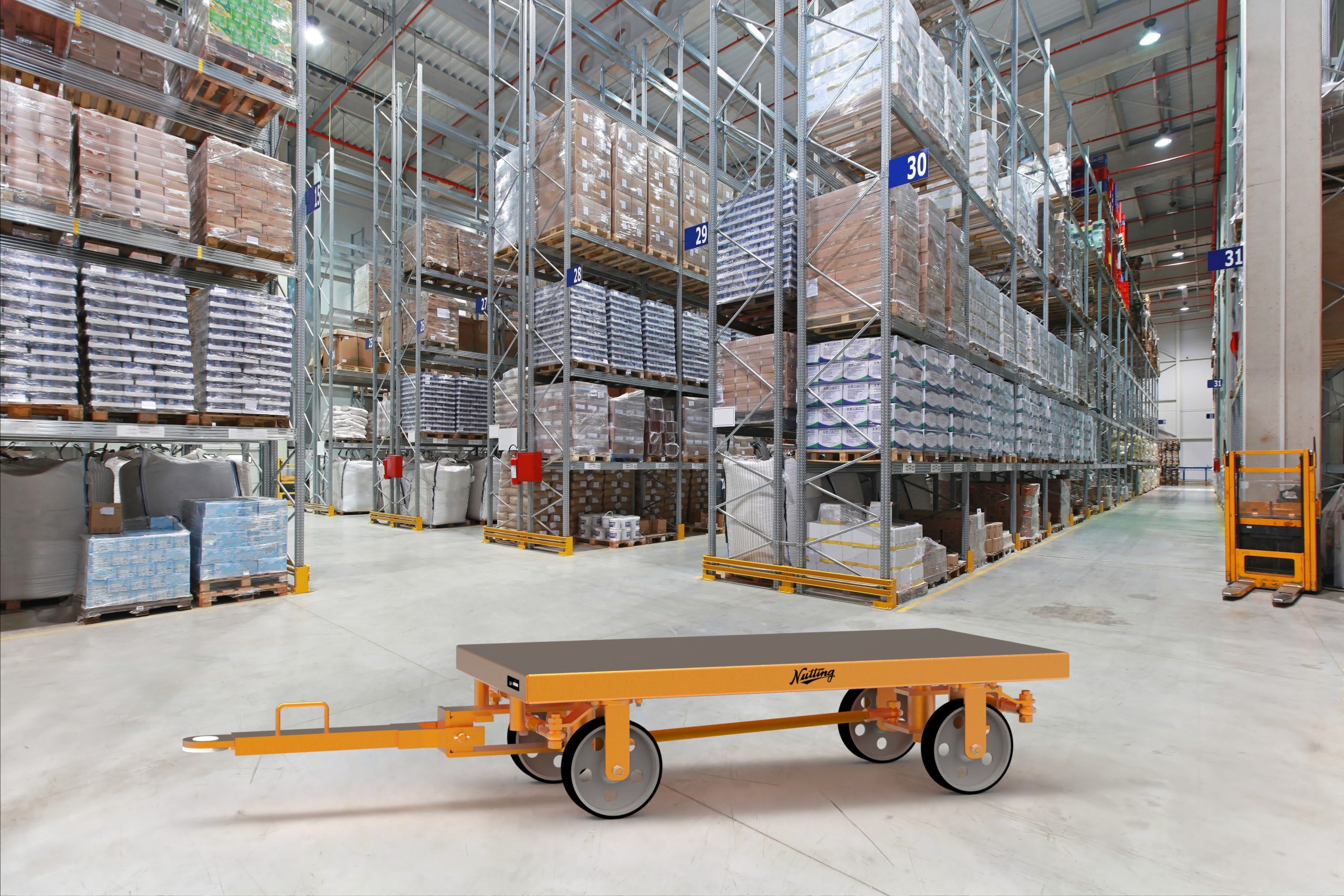
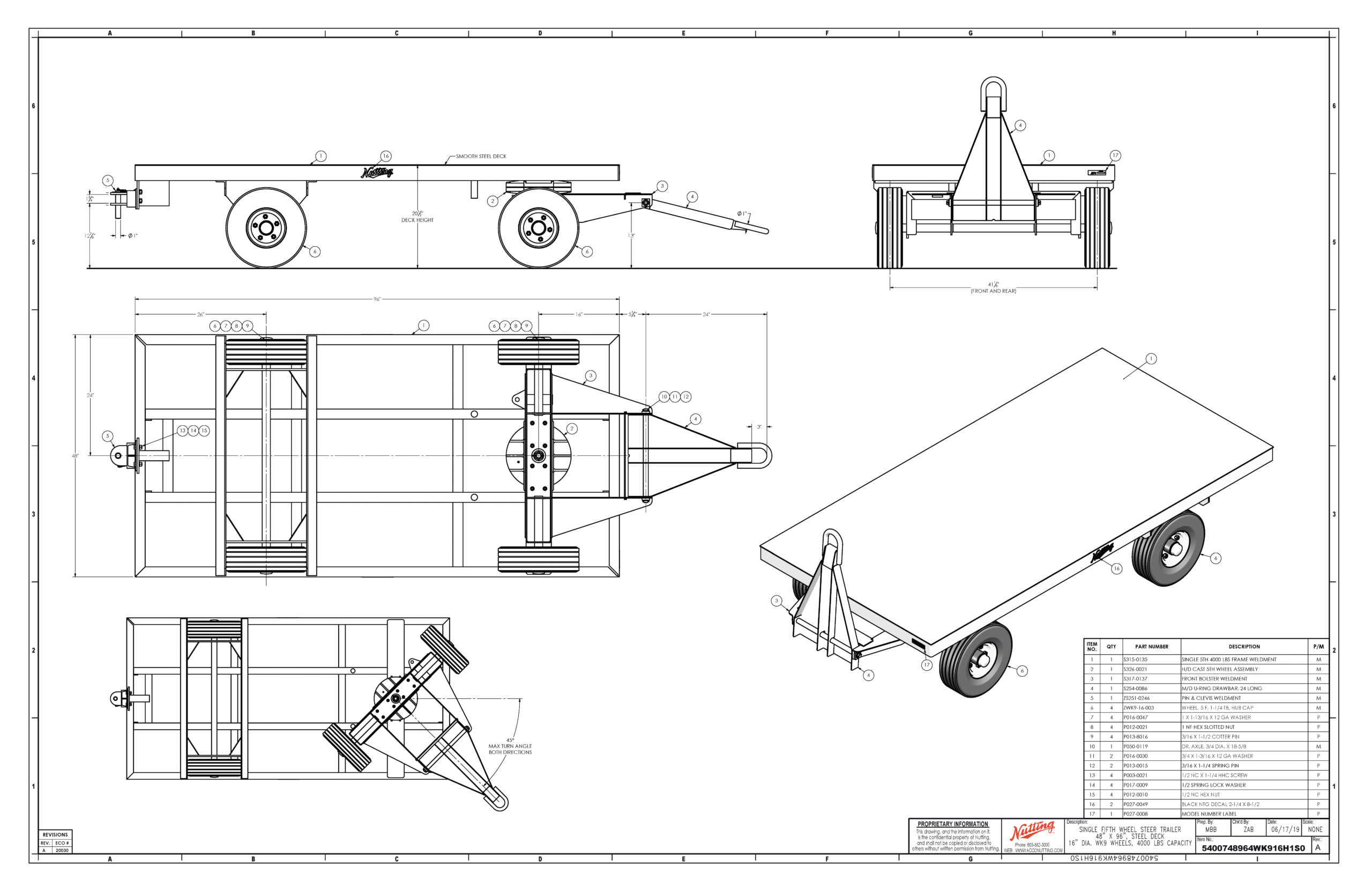
How does a tugger cart provide quick and efficient material transportation?

A tugger cart is an excellent tool for quickly transporting material within a facility. It has a stable handling and compact design, which eliminates the need for extra people or machinery. The cart can easily move from point A to B, ensuring swift material transportation without unnecessary delays or complications. This efficiency helps to streamline operations and improve overall productivity.

How to properly maintain your tugger cart to ensure maximum efficiency and longevity

Taking proper care of your tugger cart is essential for ensuring it offers the best performance, day in and day out. Regular maintenance for material carts helps extend their lifespan and prevent malfunctions due to corrosion or other mechanical issues. Regular cleaning and lubricating should be carried out every week when necessary.

Casters, wheels, drive systems, and electrical components should be inspected regularly to ensure they function correctly. When necessary, parts such as wheels should be replaced or repaired. Following these steps can help keep your cart safe. This will also maximize efficiency and minimize downtime.

Key features to look for in a quality tugger cart

Several key features must be considered when shopping for a quality tugger cart. High-grade steel and aluminum components provide the strength and durability to withstand frequent use in demanding industrial settings.

Robust construction with steel frames is a crucial component to look for in a cart. This construction should be able to support heavy loads. Depending on the surface, it should remain mobile, even on steel swivel casters and various types of tires. When these features come together, you get an ideal tugger cart for your business needs.

Choose products made in the USA. They come from experienced manufacturers. You can be confident they are of superior quality compared to other products. These items have undergone rigorous testing and inspections to meet the highest performance and durability standards. 

Let the experts at Nutting help you

Implementing a material handling cart system is an effective solution. It is an efficient way to move materials around a workspace and is cost effective. Tugger carts are an excellent asset for organizing production runs and can make transporting items quick and safe.

Consider essential features when exploring the right cart size for your business needs. These features include an ergonomic design, various hitch types, a center of gravity, and easy maneuvering. Nutting makes finding the right tugger cart easy from our wide selection of custom solutions. Call Nutting today to learn how we can build the perfect tugger cart and help meet all your material transport needs.


FAQ

By employing tugger carts, businesses can lower overhead expenses. The carts eliminate the need for additional personnel or machinery for material transportation, reducing labor costs. Moreover, their efficient design allows for optimal use of space, maximizing storage capacity and potentially reducing the need for additional storage solutions. Additionally, tugger carts are designed with safety in mind, providing stability and ease of use, which helps to prevent accidents and injuries in the workplace.

A tugger cart is an excellent tool for quickly transporting material within a facility. It has a stable handling and compact design, which eliminates the need for extra people or machinery. The cart can easily move from point A to B, ensuring swift material transportation without unnecessary delays or complications. This efficiency helps to streamline operations and improve overall productivity.

Implementing tugger carts into your workflow can lead to significant improvements in operational efficiency. It eliminates wasted time spent on walking or transporting goods from one area to another. Additionally, it provides operators with quick access to inventory and supplies whenever needed. By streamlining material transportation, tugger carts contribute to a more efficient workflow, saving time and enhancing productivity.

The low profile design of tugger carts ensures that the stacked totes and bins remain within the ergonomic zone for the operators. The ergonomic zone refers to a comfortable and safe range of movement for the operators. By keeping the items within this zone, the low profile design of the carts minimizes the need for operators to strain or exert excessive effort when accessing the stored items.

The low profile design of tugger carts allows for the creation of low riders or lowboy carts. These carts have a very low profile, which enables stacking more totes and bins on top of each other. As a result, the storage capacity of the carts is maximized, allowing for more efficient use of space.
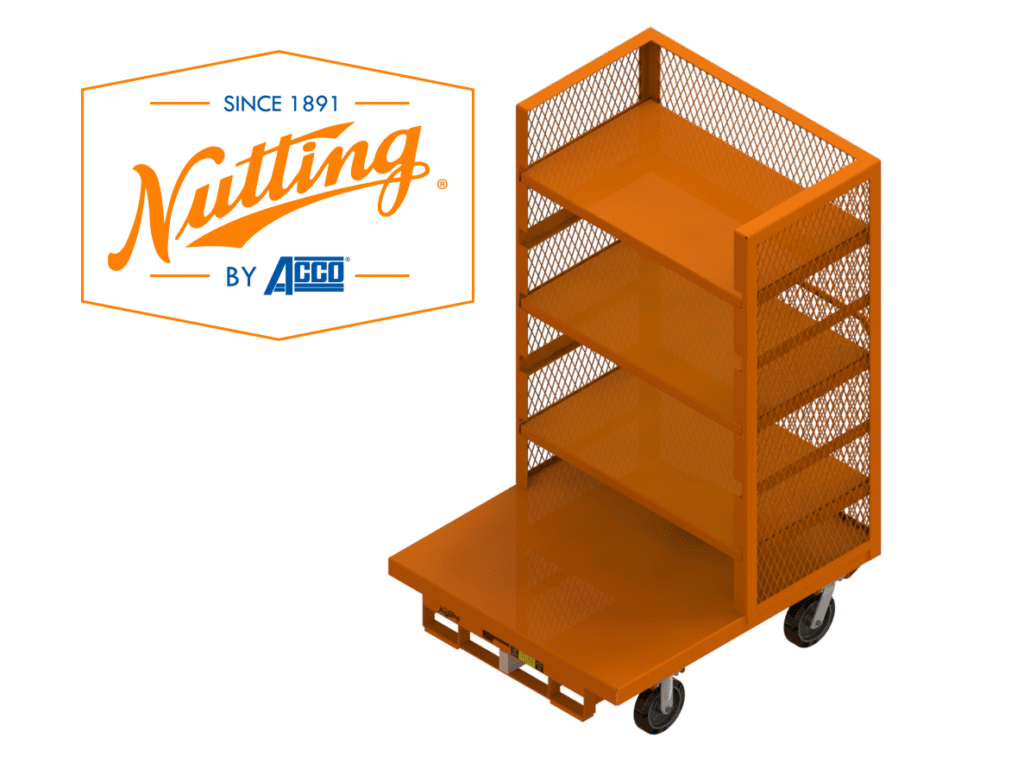
The Top 5 Benefits of Using Warehouse Carts in Your Facility

Warehouse carts are essential for any facility that handles materials, products, or equipment. They offer a convenient and efficient way to transport heavy loads and reduce the risk of workplace injuries caused by manual lifting or carrying. At Nutting Carts and Trailers, we specialize in providing high-quality warehouse carts designed to meet different industries’ specific needs.

Here are the top five benefits of using warehouse carts from Nutting in your facility:

1. Durability

Our warehouse carts are built to last, with heavy-duty construction and high-quality materials that can withstand frequent use in a busy warehouse environment. This means you’ll get more service out of your carts before replacing them.

2. Customization Options

We offer a range of customization options for our warehouse carts, allowing you to tailor them to your specific needs. From fifth-wheel steer trailers, to order picker carts, to caster steer trailers, we can design a trailer to meet your custom facility needs. This includes adding shelves, drawers, or compartments depending on what you need to transport within your facility. Nutting can even engineer your carts for manual use or to pair with a vehicle such as a tugger or a forklift. 

3. Ergonomic Design

Our warehouse carts are designed with ergonomics in mind, making them comfortable and safe for workers to use throughout their shifts. They feature smooth-rolling wheels, adjustable handlebars, and other features that reduce strain on the body.

4. Increased Efficiency

Using our warehouse carts can help improve efficiency in your facility by allowing workers to transport materials and products more quickly and efficiently than manual carrying or lifting. This means they can complete tasks faster, which increases productivity overall.

5. Versatility

Our warehouse carts come in various shapes, sizes, and steering types, making them versatile enough for use across different industries and applications. Whether you need to move heavy machinery around a manufacturing plant or transport medical supplies through a hospital, we have a cart that will fit your needs. 

High-Quality Warehouse Carts for Any Industry

Nutting’s warehouse carts offer numerous benefits that can help improve material handling operations in different industries. Our high-quality warehouse carts are made in the USA and designed to meet specific needs, from reducing workplace injuries and optimizing space utilization to increasing efficiency and flexibility. Whether you need customized designs or standard models, we have many options. Investing in our durable and ergonomic warehouse carts can transform your facility’s material handling processes and enjoy long-term benefits.

Contact us today to learn how Nutting’s warehouse carts can enhance your business operations.

How Custom Material Handling Carts Optimize Warehouse Workflow

Custom material handling carts provide a flexible solution for material handling, reduce manual labor, add functionality, and improve safety and workflow.

Our material handling carts and trailers are designed and manufactured to optimize the workflow of your material handling operations and are tailored to the unique functions of your facility. Features like locking mechanisms, quad steering, heavy-duty material design, and casters that can handle rough terrain or glide across smooth surfaces ensure your carts and trailers do everything you need them to do and nothing that you don’t. Unlike standard material handling carts, our custom-designed carts are not mass-produced. Instead, our carts and trailers are made-to-order based on the specific needs of your material handling operation.

Custom Material Handling Carts Optimize Workflow

The main functions of custom industrial carts are to transport, store, organize, and handle materials. A well-designed custom cart can make operations safer, easier, and more efficient.

Transport 

Material handling carts transport goods from one location to another within a facility. Well-designed carts can help reduce wasted time and energy during transportation. By taking maneuverability needs into account, our carts can take the most direct and efficient path possible.

Storage

Industrial carts can serve as temporary storage solutions for large or bulky items that may not fit on standard shelving units.

Organization

Carts can be used to categorize materials. With simple tools like loading plans, cart color coordination, and warehouse zoning charts, custom carts can help make locating items quick and easy.

Handling

Carts can be designed to handle specific load types, including drums, pallets, wind turbine blades, and other oversized loads that may not fit on a standard cart. A well-designed cart can help keep fragile loads safe, all while reducing the chances of overexertion and falling object injuries to your warehouse staff.

Advantages of Custom Industrial Carts

With so many stock cart options available, you may wonder what you gain from investing in a custom design. Here are just a handful of reasons why custom carts may be a better fit for your industrial material handling processes:

Increased efficiency

Custom carts are designed to improve the flow of materials, reducing bottlenecks and improving the overall efficiency of your material handling workflows. With your employees spending less time manually transporting materials or dealing with equipment not built for your space, they’ll be able to focus on other tasks that often get overlooked.

Enhanced Safety

Depending on the operation, custom material handling carts may significantly reduce the need for manual handling and/or forklift traffic in the workplace. They can be ergonomically designed with workstations in mind to minimize overexertion and repetitive stress injuries. They can also include safety features like wide wheels or stabilizing legs to prevent spills and accidents during transportation.

Increased durability

By working with a trusted manufacturer like Nutting Carts and Trailers and specifying high-quality materials like heavy-duty steel, you can ensure that your custom cart is built to last. In addition, custom material handling carts can be designed and manufactured to meet specific requirements, such as heavy-duty use or harsh weather conditions. You can also request durability features specific to your operation, such as reinforced corners, reinforced handles, or additional supports.

Reduced Downtime

Custom industrial carts can be designed for easy maintenance, reducing downtime and the need for costly repair service calls.

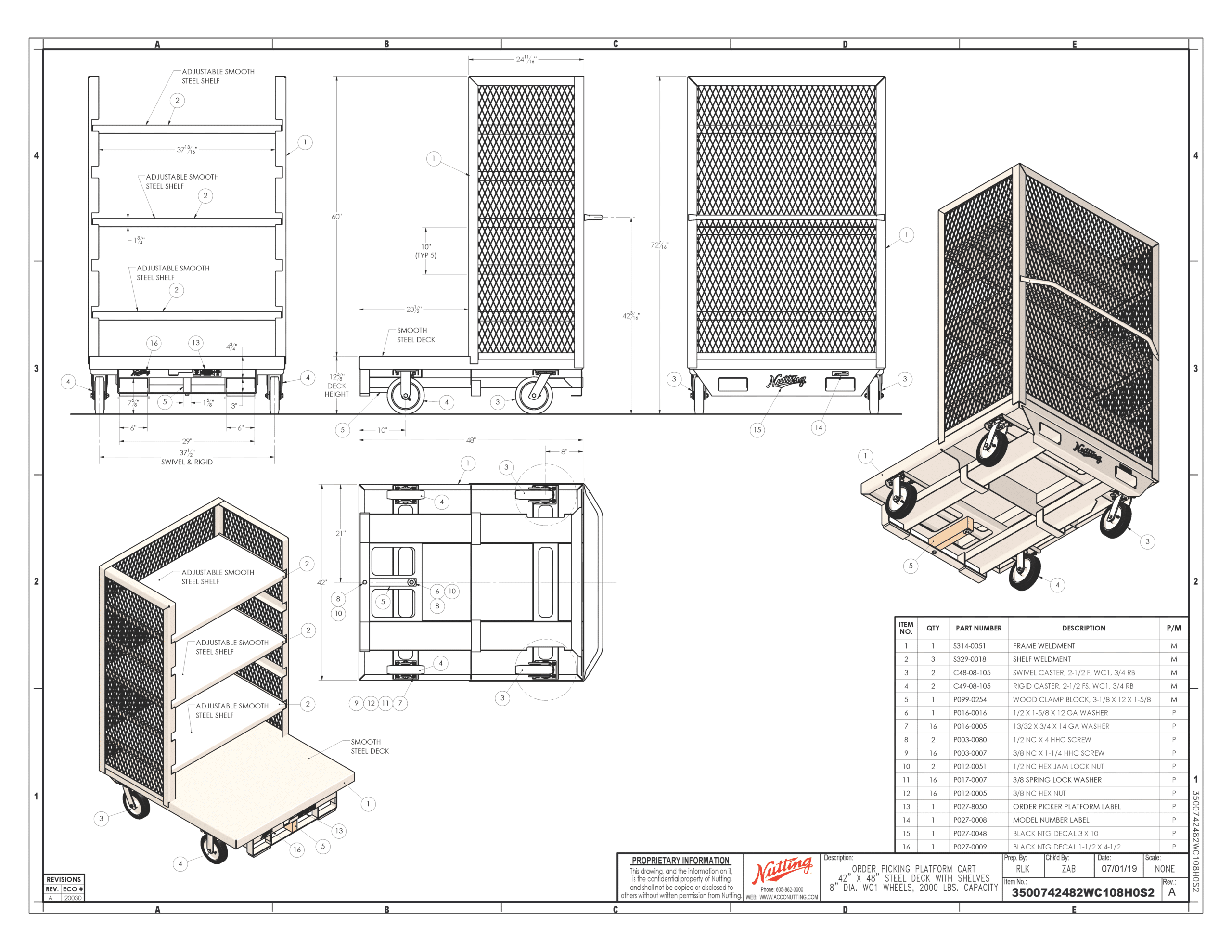
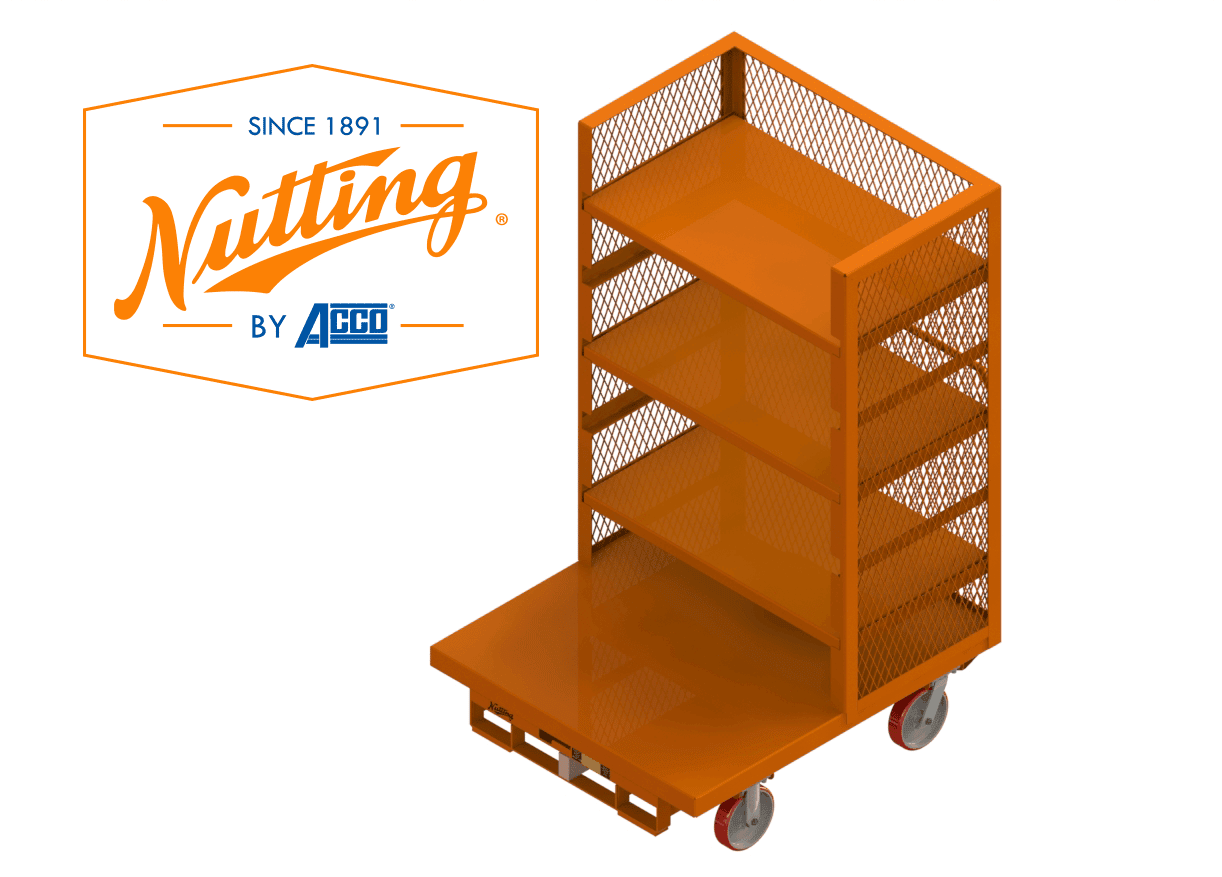
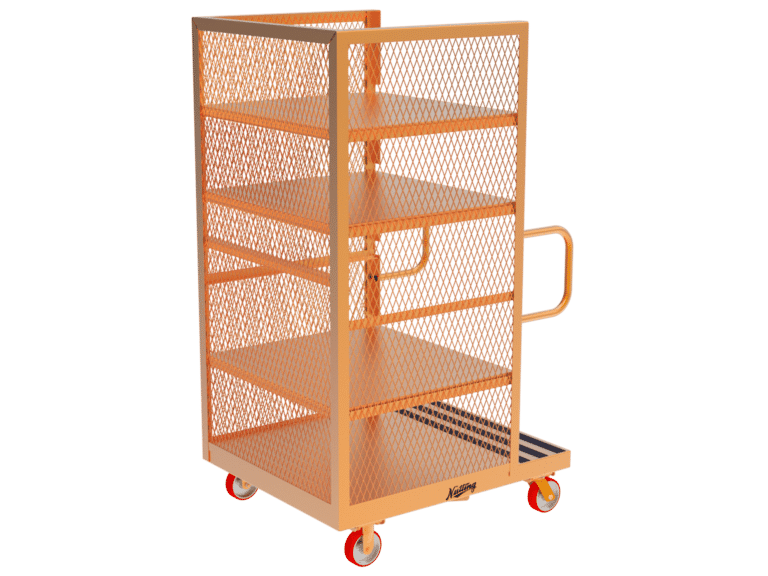
Order Picker Cage Cart with Adjustable Shelves

Nutting provides approval drawings and blue prints with every custom order.

Design Considerations for Custom Material Handling Carts

Size and capacity

The cart should be able to handle the weight of the materials being transported and be designed to ensure stability to avoid tipping. Size is also important as it impacts maneuverability, storage space, and the types of loads it can handle.

Ergonomics

Custom carts can be designed with ergonomic features like contoured handles, adjustable height, swivel casters for easier maneuverability, and more.

By designing material handling equipment with ergonomics in mind, you can help reduce the risk of injury and the need for repetitive motion, which can lead to increased efficiency, reduced labor costs, and higher employee satisfaction.

Wheel type

The wheels you choose should reflect the terrain your carts will navigate. Poly wheels are great for smooth indoor surfaces, while pneumatic wheels are required for rough or uneven surfaces like gravel.

Materials

The cart should be manufactured with high-quality materials and components specific to the conditions of your material handling operation.

Ease of use 

Custom carts are designed to be easy to use, reducing the need for extensive training, special licensing, or complicated instructions.

Industries that Benefit From Custom Material Handling Solutions

Custom material handling carts are widely used in many industries, providing a flexible and efficient solution for transporting goods and materials, reducing manual labor, and improving safety and productivity. Here are a few common applications:

 Manufacturing

Custom material handling carts are commonly used in manufacturing facilities to transport raw materials, finished products, and components from one area to another.

Warehousing and Distribution

Custom industrial carts are used in warehouses and distribution centers to transport goods, packages, and pallets, improving efficiency and reducing the need for manual labor.

Construction

Custom carts and dollies are used in construction sites to safely transport materials, tools, and equipment from one area to another.

Healthcare

Utility carts are used in hospitals, clinics, and other healthcare facilities to transport medical supplies, equipment, and patient belongings.

Aerospace

Custom material handling carts are often used in the aerospace industry for transporting materials, components, and finished products. These carts are designed to accommodate specialized tooling and equipment and conform to particular safety regulations.

Automotive

These carts can be designed to carry large and heavy automotive parts, provide efficient and organized storage and handling solutions, and optimize lineside delivery for a safe and productive workflow.

Common Types of Custom Material Handling Carts

And more! With custom solutions, the options are endless.

At Nutting, our team of experts is ready to help you design the perfect custom material handling solution for your unique operations. Contact us today to learn more.


How the Right Equipment Optimizes the Warehouse Process Flow

How the Right Equipment Optimizes the Warehouse Process Flow

Discover the warehouse process flow and its various stages. Learn how the right equipment, like a mother-daughter cart system or order picker carts, can help optimize warehouse operations.

Supply chain management is an essential part of the e-Commerce business process. However, when looking at optimizing the supply chain’s warehousing and distribution center links, it quickly becomes apparent that warehouse design and maximizing warehouse space can only get you so far. Eventually, you need to look at making the most of the equipment at your disposal. Adding high-quality, well-engineered equipment can make all the difference for order fulfillment and warehousing businesses of all sizes. In this article, we’ll look at the different stages of the warehouse process flow and suggest a few additions that can immediately impact your picking process.

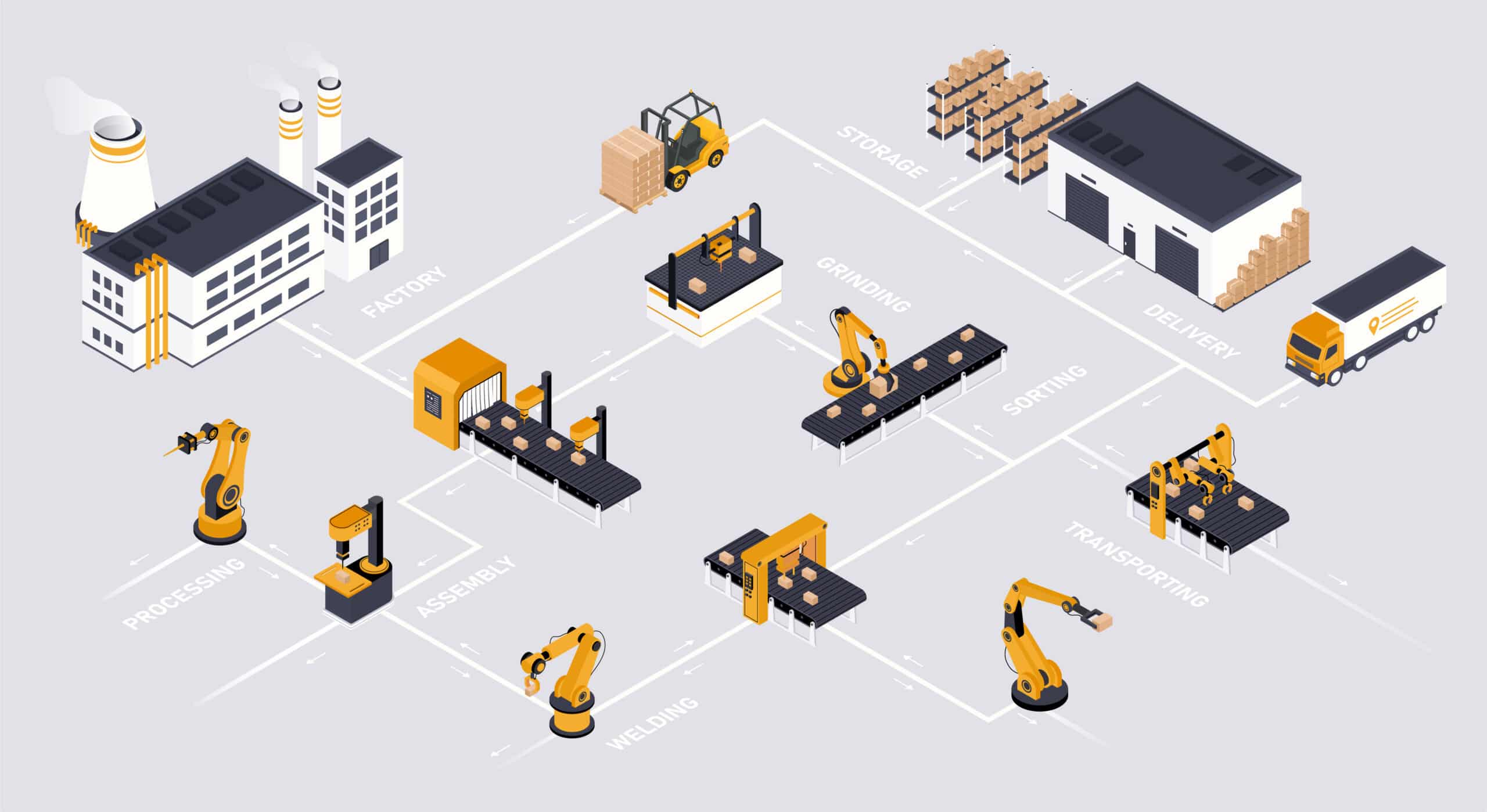
An Example Process Flow Chart

Here is a rough flow diagram of the different processes in place for warehouse operations. You can use this as a template when organizing your warehouse system.

Warehouse Management Process

The warehouse management process flow starts with a Warehouse Management System (WMS). The WMS is a computer system or, less commonly, an analog system, responsible for warehouse inventory management, inventory tracking, and inventory control. Most computer-based WMS’ rely on SKU and barcode readers to update a database in real-time and communicate with warehouse staff through sales order updates and notifications. A functioning WMS is crucial for fulfilling customer orders and customer satisfaction.

Inbound Process

The inbound or receiving process is where the products arrive at the warehouse or distribution center. The items are processed, confirming they have arrived in suitable condition and the correct amounts, and then added as inventory to the WMS.

As items are inspected in the inbound process, placing them directly onto bins on steer carts or mother-daughter carts can reduce the need to re-sort these items later. Mother-daughter carts are especially helpful because the bins can be removed from the mother cart and placed directly into storage during the put-away process. You can learn more about mother-daughter carts later in this article.

Put-Away Process

After items have been received, the put-away process begins. During this stage, goods are moved from the receiving area to a warehouse storage location. Some operations chose to add items to the inventory at this stage. Adding items to inventory at their storage location can help improve accuracy for a WMS that tracks item specific inventory location. Identifying strategice storage locations is also critical in this step. It can help creating inefficiencies with wasted movement during the picking process.

Picking Process

The picking process is when products are gathered to fulfill customer orders. As discussed in previous articles, there are many ways to streamline this pick-up. Still, ensuring your pickers have an effective system and the proper equipment for the job is crucial during this stage of the fulfillment process. 

Creating custom order picking carts will allow your pickers to quickly and efficiently move items from their storage location to the packing location. If your warehouse often packages specific items together for orders, Nutting can help you customize a picking cart that will accommodate the right parts to reduce the need for multiple picking trips for one order.

Packing Process

The picked products are then prepared for shipping to the customer during the packing process and moved to a staging area.

If you often handle larger item orders, swivel top carts can allow packers to wrap a pallet without having to uncouple trailers or move around the carts, saving time and reducing injury risks.

Outbound Process

The outbound, or dispatching process, is where the products are ready to be shipped and must be stored until they can be loaded for transport. Organization is an integral part of this stage. Warehouses can lose efficiency if a later shipment is stored in such a way that it blocks an earlier shipment. If the same staging area is used for both loading and unloading, orders awaiting dispatch can get in the way of the receiving process and vice-versa. Late dispatches can delay loading and potentially cause late delivery. 

Shipping Process

Lastly, the shipping process is the stage where the product leaves the fulfillment center and is on to the supply chain’s following link. Shipping is most successful when an order has been properly and efficiently processed through all of the preceding stages of the warehouse process flow. o

Increase Safety, Efficiency, and Workflow

The transportation of goods in a warehouse is a crucial process that can impact the efficiency of the entire operation.

If you’re looking for a way to improve warehouse efficiency and workflow, mother-daughter cart systems may be the answer. These systems consist of two parts – a Mother Cart and a Daughter Cart – that work together to create an efficient system for moving materials.

In this system, the Daughter Cart rides within the frame of the Mother Cart, making it easy for them to trail behind a tugger train and then be dropped off at various locations for loading and unloading. In addition, multiple Mother carts can be easily attached to tuggers or AGVs (automated guided vehicles).

In a traditional warehouse setup, workers constantly move back and forth between different areas to retrieve materials or transport goods. This leads to inefficient use of time and resources and increases the chances of accidents occurring. With mother-daughter cart systems, workers can stay in one area as the carts move around them. This not only saves time but also reduces the risk of accidents.

The mother-daughter cart system is a versatile and efficient way to move inventory in a warehouse setting. Implementing a mother-daughter system reduces travel time as the tugger train can continuously move multiple daughter carts throughout the warehouse with minimal downtime. In addition, the mother-daughter cart system improves the flow of goods by allowing employees to quickly and easily load and unload items onto the carts. As a result, this system is an effective way to reduce labor costs and increase efficiency.

At Nutting, we understand that cart systems play an important role in facilities across various industries. That’s why we offer a variety of custom options to ensure that our clients can find the perfect solution for their needs. Our products have been manufactured in the USA for over 125 years, so you can rest assured that you’re receiving a high-quality product that will stand up to years of use. Whether you need a cart with a specific number of shelves or one designed to hold a particular load, we have you covered. Contact us today to learn more about our cart systems and how we can help you streamline your operation.

Ideas to Help Optimize Your Warehouse Productivity

Ideas to Help Optimize Your Warehouse Productivity

Discover ideas to help streamline your warehouse operations. Improve warehouse efficiency through your WMS, warehouse layout, proper equipment, or automation.

Whether you’re doing warehousing for your own business or running a full-scale distribution center, the bottom line at any scale for an eCommerce fulfillment center is to make sure your link in the supply chain is holding up to the strain of customer demand. Maybe you’ve been pouring over this year’s metrics or are trying to ramp up productivity for a new product line. If so, you may have been wondering what changes you can make to your warehouse operations to make things run a little more smoothly. Here are a few suggestions to get the ball rolling.

Improving Warehouse Efficiency

When looking to make your warehouse more efficient, the first place to make adjustments is with your Warehouse Management System (WMS). A WMS, or an Enterprise Resource Planning (ERP) system with a WMS module, handles your warehouse’s inventory management, allowing pickers to send and receive crucial information in real time through interconnected SKU or barcode scanners. Not only does this help reduce shortages due to poor inventory accuracy, but it also allows you to automate data collection of Key Performance Indicators (KPIs) for future analysis.

Fulfillment

When looking at fulfillment as a KPI, you’re looking at metrics like order fill rate, order fulfillment timeliness, and picks per hour. Knowing how many orders are completed, how quickly you’re able to fulfill them, and how much time your team spends filling an order will help you identify fufillment related choke points.

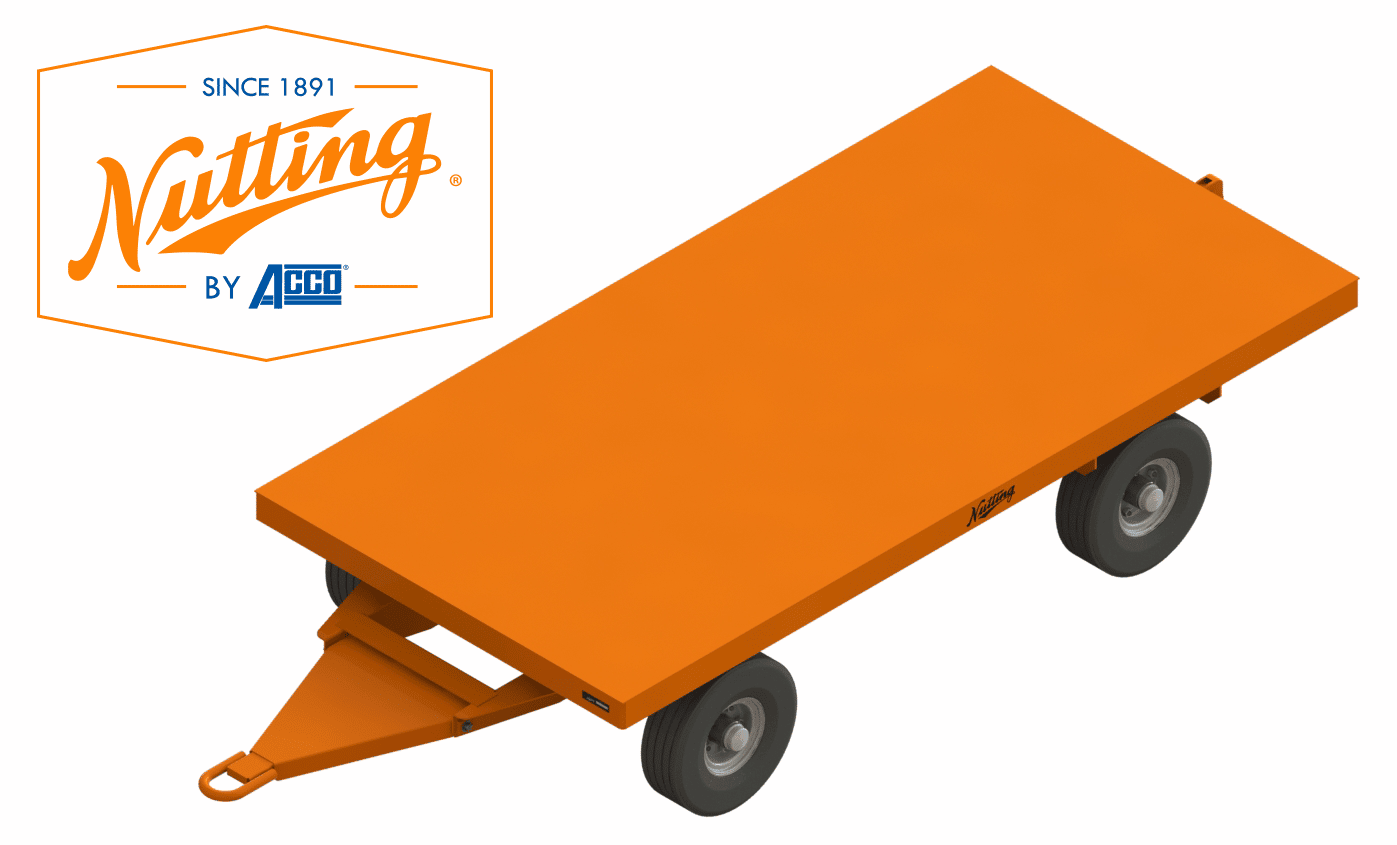
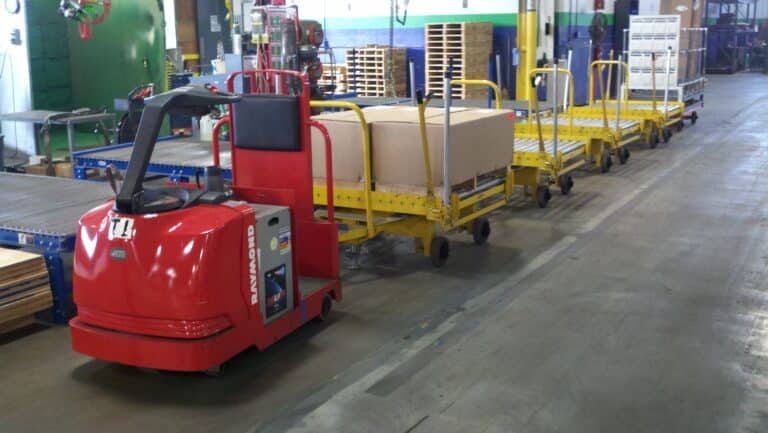
Nutting Trailers can be linked together to create a tugger trailer train.
Increasing output is easy with a tugger trailer train and Nutting custom roller deck trailers.

Inventory Accuracy

Knowing what you have in your warehouse at any given moment is crucial. While it is common for a distribution center to have a disparity between what is actually on the shelves and what is recorded in the management system, it is important to implement systems that keep that disparity from getting out of hand. Allowing the difference to become too great, will result in spoilage, overstocking, or accepting orders for items that are not actually available. Regular audits of your stock against your database are highly advised. By identifying items that are regularly overstocked or understocked, you will be able to track down specific problems that are leading to unnecessary costs.

Replenishment

Replenishment is measured by how well your inventory moves from reserve storage to active picking bins. Understanding your replenishment metrics will allow you to make better, more efficient decisions about what inventory to replace and when to replace it. For example, If space is limited, you can  improve efficiency by prioritizing stock with a higher replenishment profit.

Order Accuracy

Increasing the order accuracy of your warehouse to nearly 100% is an important benchmark to reach. After all, ensuring the customer receives what they ordered is the baseline target for any fulfillment center.

Dead Stock

Dead stock is an often overlooked efficiency killer.  If you streamline your warehouse operations but fail to purge products that have become damaged or otherwise unsellable, also known as dead stock, your facility is paying to store items that will never provide revenue. Therefore, keeping track of dead inventory and finding low cost methods of moving it, is a must. Ikea uses one of our favorite creative ways of moving dead stock, they have created a yard sale space where customers can purchase individual parts of broken items for do-it-yourself type projects. Before paying a trash removal company to dispose of dead stock, consider ways to create incentives for customers or community members to help you reduce costs.

Warehouse Layout

The way your available space is laid out can significantly affect order-picking productivity. This will vary depending on the type of warehouse you’re operating, but in all cases, minimizing your pickers’ travel time with a good slotting strategy will have a positive outcome for order fulfillment and workflow. Additionally, equipment such as ergonomic order-picking carts and picker platforms that attach to forklifts help maximize the amount of product gathered in a single trip and the potential of vertical space. Pallet carts that train together can also be an effective way of moving multiple orders at once.
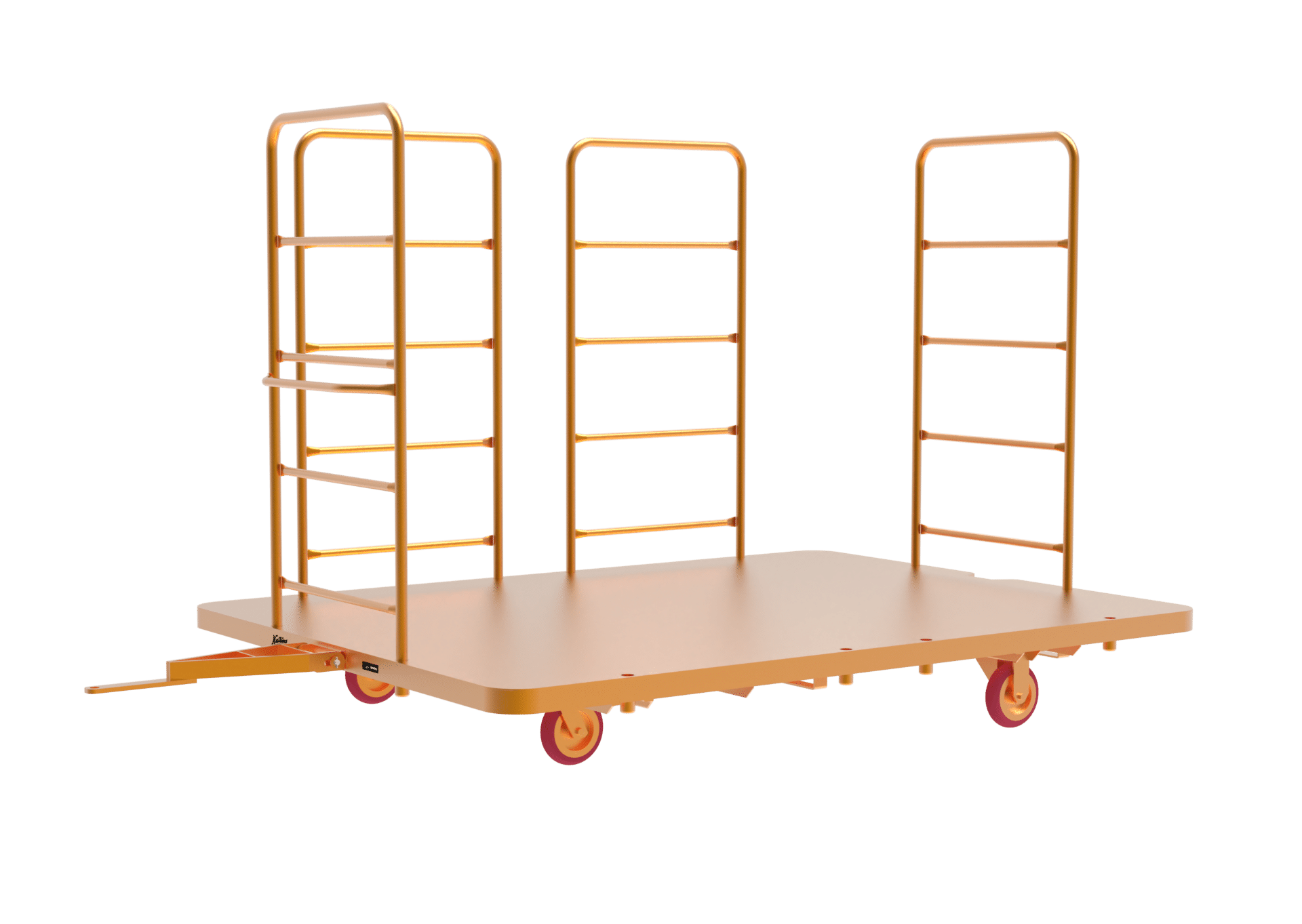
If your warehouse includes a manufacturing or assembly component, ensuring that workstations are organized and close to the storage space of necessary materials can save your workers time during set up and put away.

Is Automation a Necessity?

Warehouse technology continues to grow and improve. It used to be that pallet racks and forklifts were the only option available for material handling. However, automation has advanced the picking process with robotic warehouse workers and conveyors, minimizing downtime and creating cost savings for the right warehouse operation. With that being said, the initial investment and the restrictions required by the automated pickers can make the pricing of these advancements prohibitive.

Before investing in technological process improvements like automation, it’s a good idea to consider some alternative ways you could improve the efficiency of your warehouse with add-ons for the equipment you already have. If automation is the route your business needs to go, Nutting Carts and Trailers can manufacture custom carts, trailers, or stands to operate with your autonomous platform of choice.

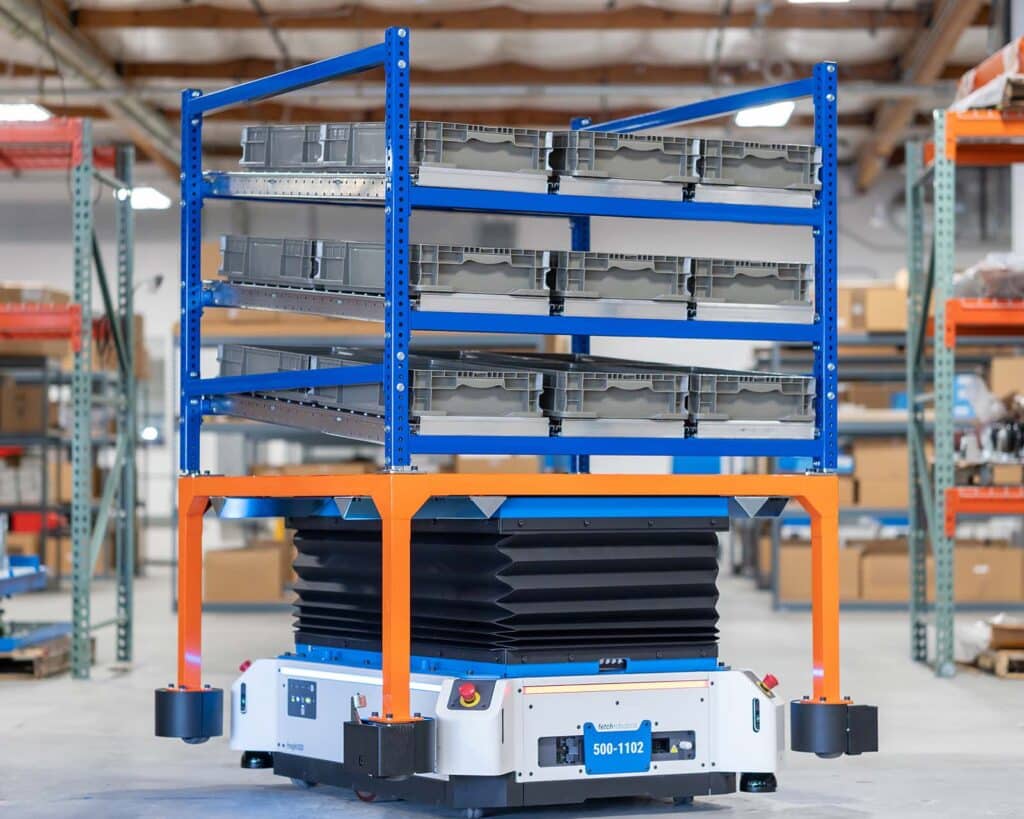
A Custom Nutting Platform used with Fetch Robotics CartConnect500
Nutting Carts and Trailers can manufacture a custom solution for your autonomous needs.

Making the Right Choice For Your Warehouse

Let the experts at Nutting help you decide what warehousing equipment is right for you! Choosing the right trailer for your warehouse space can be a daunting task. However, by considering the needs of your unique warehouse, you can make the decision easier.

Nutting offers several solutions, like our Caster steer trailers. These trailers can be fitted with a variety of customizations, such as lift gates and shelving, to make them even more wellsuited to your operation. Whatever your needs, the Nutting sales and engineering team can help you customize a trailer or cart to fit your facility.

The way your available space is laid out can significantly affect order-picking productivity. This will vary depending on the type of warehouse you’re operating, but in all cases, minimizing your pickers’ travel time with a good slotting strategy will have a positive outcome for order fulfillment and workflow. Additionally, equipment such as ergonomic order-picking carts and picker platforms that attach to forklifts help maximize the amount of product gathered in a single trip and the potential of vertical space. Pallet carts that train together can also be an effective way of moving multiple orders at once.
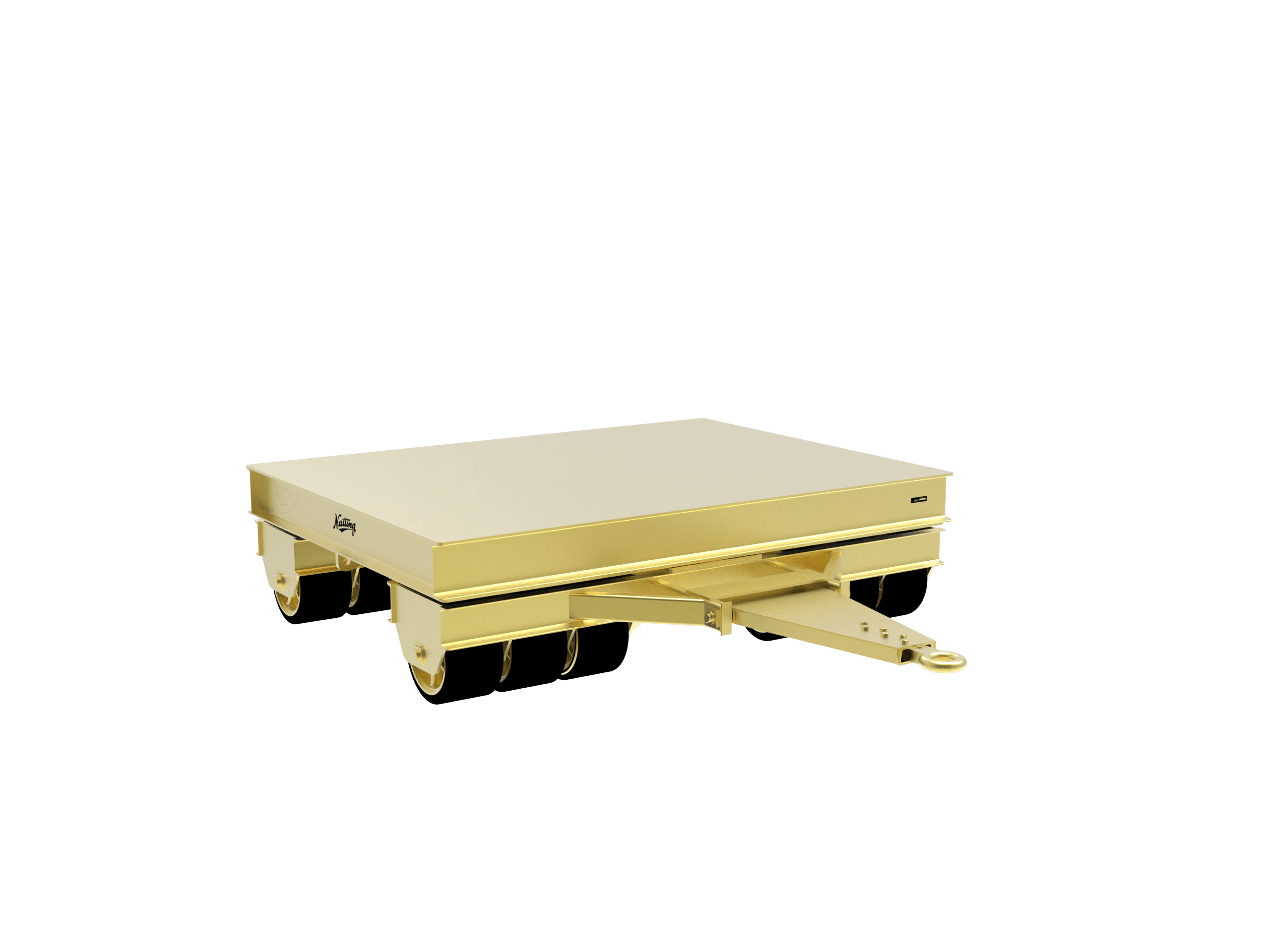
If your warehouse includes a manufacturing or assembly component, ensuring that workstations are organized and close to the storage space of necessary materials can save your workers time during set up and put away.

Is Automation a Necessity?

Warehouse technology continues to grow and improve. It used to be that pallet racks and forklifts were the only option available for material handling. However, automation has advanced the picking process with robotic warehouse workers and conveyors, minimizing downtime and creating cost savings for the right warehouse operation. However, the initial investment and the restrictions required by the automated pickers can make the pricing of these advancements prohibitive.

Before investing in technological process improvements like automation, it’s a good idea to consider some alternative ways you could improve the efficiency of your warehouse with add-ons for the equipment you already have.

Making the Right Choice For Your Warehouse

Let the experts at Nutting help you decide what warehousing equipment is right for you! Choosing the right trailer for your warehouse space can be a daunting task. However, by considering the needs of your unique warehouse, you can make the decision easier.

Nutting offers several solutions, like our Caster steer trailers. These trailers can be fitted with a variety of customizations, such as lift gates and shelving, to make them even more wellsuited to your operation. Whatever your needs, the Nutting sales and engineering team can help you customize a trailer or cart to fit your facility.

Productivity Freedom with the Nutting Adjustable Shelf Cart

Take your productivity to the next level with Nutting Adjustable Shelf Trailers. The adjustable shelves make transporting and managing materials easier than ever before. With various sizes and capacities to choose from, you have total control of customization for any size product or load. You can quickly and intuitively adjust your shelf height as needed to maximize efficiency.

The shelves eliminate the need for stacking products so you never have to worry about running into limitations — you can get the job done faster, while avoiding injury risks associated with manual handling of heavy goods. Plus, they’re lightweight yet durable enough to handle long-term use in even the toughest working environments.

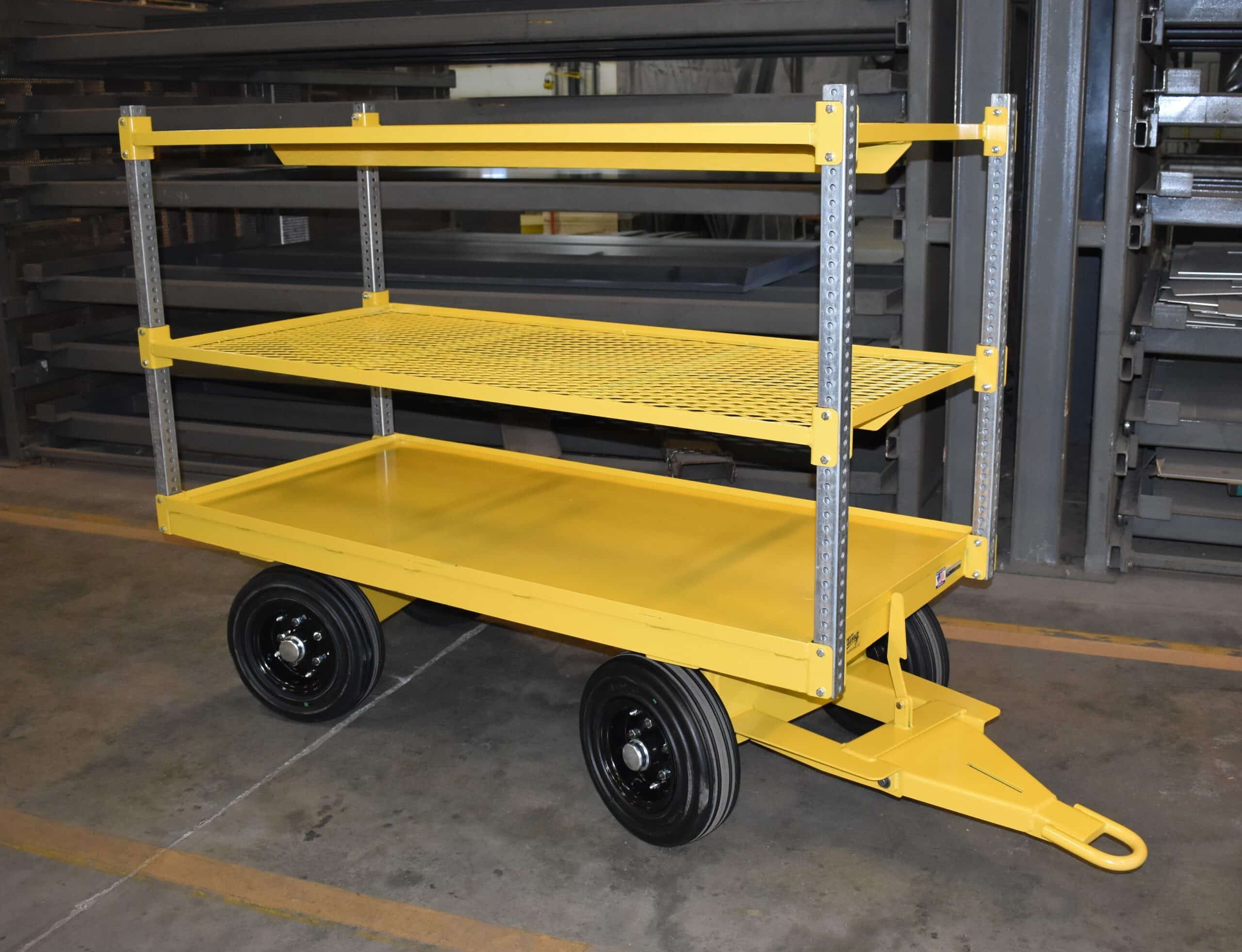
This featured product is set up with fifth wheel steering, but is available in many different steering options. 

Customizable options include:

  • Dimensions
  • Capacity
  • Deck material
  • Casters/wheels

Don’t let your workflow slow down; speed it up with Nutting Shelf Trailers. Reach out today to learn more about how we can meet your needs!

Building an Efficient Warehouse Order Picking System

Learn different warehouse-picking processes, from zone picking to automation, that increase the efficiency of your warehouse’s order fulfillment method.

It doesn’t matter what link you are in the supply chain; developing and maintaining an efficient Warehouse Management System (WMS) to meet the increasing demands eCommerce has placed on customer order fulfillment is crucial. This article will focus on ways you can improve the efficiency and safety of your warehouse or distribution center.

Order Picking Methods

First, let’s look at standard methods used in the order-picking process.

Zone Picking

In zone picking, each picker covers a different zone in the warehouse and pulls items for orders which fall within the pick zone. In this fashion, zone picking for large orders can resemble an assembly line where each zone picker manages only a portion of the total order as they pick and pass goods and materials. This can allow for more efficient picking as it reduces walking time, no matter the number of orders.

Batch Picking

Batch picking, sometimes called cluster picking, is an order-picking strategy that involves one picker gathering items that have been organized into groups or batches based on their SKUs. For example, items can be grouped into pick locations based on their popularity or likelihood to be in the same order based on trends.

Wave Picking

Wave picking is a process in which each order received by the warehouse is broken down into line items and then organized to maximize shipping and picking operations by matching it with other charges. Then, a single picker can collect similar orders in a single wave, reducing picking time.

Discrete Picking

Discrete order picking is usually used in small warehouses or for less complex orders. It consists of one worker picking items for a single charge. While this methodology is more time-consuming and labor-intensive, it minimizes the number of hands as an order is picked without additional sorts. This can result in greater order accuracy and fewer picking errors.

Automation and Other Tools as Part of Your Picking Strategy

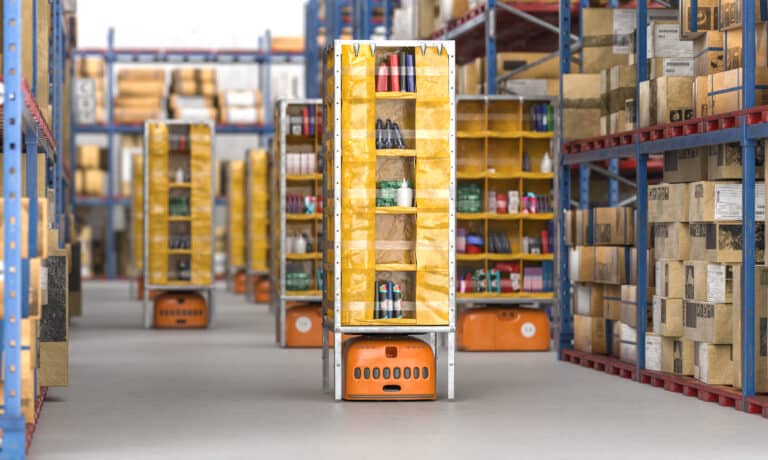
Nutting manufactures carts and trailers that are compatible with AMR and AGV systems

Mobile Robots

For large warehouse operations and distribution centers, it may become beneficial, profitability-wise, to add a measure of automation. While systems using mobile robots, automatic pickers, and conveyor systems require specific warehouse layouts, they can significantly increase efficiency under high-volume warehousing conditions.

Barcode Scanners

While barcode scanners have been used for inventory tracking for quite a while, the technology continues to evolve and improve. The best barcode scanners can reduce the possibility of human error by helping your system track and analyze inventory while ensuring the right picking is happening. Most even have the bonus of showing their user the actual inventory location.

Voice Picking Equipment

Voice picking is a warehouse picking process where the pick list is hands-free. The pickers receive real-time instruction through a headset and microphone attached to a wearable device. Many of these systems include feedback functionality where the pickers can send vital information back to the inventory management system.

Pallet Carts

Whether you use manual pallet jacks or a fleet of forklifts, adding pallet carts to your picking strategy can be a game changer. Pallet carts are a safe and efficient way to move pallets around a facility with or without using a forklift. Nutting offers both single-pallet and double-pallet carts, as well as customizable options to suit the specific needs of your operation. Our pallet carts are built with safety in mind, and our team of experts can help you select the suitable model for your facility.

Order Picker Platforms 

In particular, the Nutting order picker platforms, in particular, are secure, stable surfaces that operators can use to transport products within a facility. These platforms are attached to order pickers via an optional clamping mechanism and can be lifted to the desired level using the picker’s lifting mechanism. This allows operators to easily maneuver the platform alongside storage racks and transfer products to carts or other storage areas.

Order Picker Carts with Adjustable Shelves by Nutting Carts and Trailers
Enclosed Order Picker Platform with Shelves by Nutting Carts and Trailers
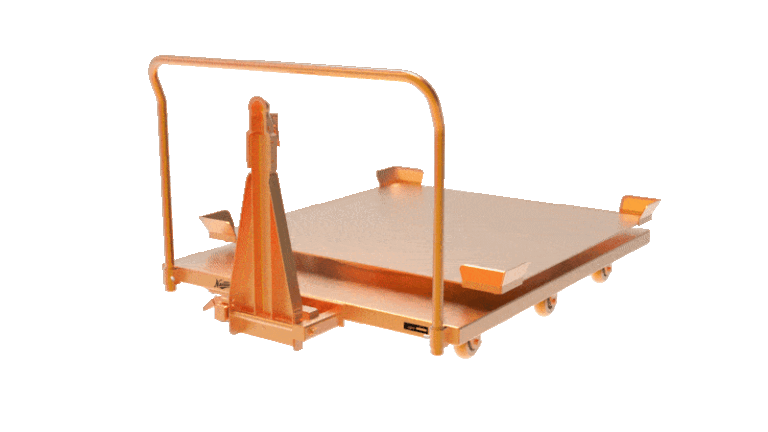
swivel deck pallet cart
Custom Swivel Pallet Trailer by Nutting Carts and Trailers

Nutting has the Right Tools for Your Picking Operation.

Whether you’re looking to streamline your order fulfillment process, lower operating costs, reduce travel time for your pickers, maximize customer satisfaction, or increase equipment functionality, Nutting has you covered. The Nutting order picker platform is the perfect way to quickly and easily pick and load materials from warehouse racks. This forklift accessory makes your picking and delivery operations more efficient. Order picker platforms are available in various sizes and configurations to meet your needs.

The benefits of choosing Nutting’s order picking platforms include the following:

  • Increase operator safety and productivity

  • Reduce product damage

  • Improve facility efficiency

  • Fully customizable to meet your specific needs

Allow Nutting to help improve efficiency and ergonomics in your facility. Be part of an innovative material handling solution. Contact us today

How to Move Pallets Manually Without Using a Forklift

Manual pallet jacks, stackers, and carts are a safe and easy way to move pallet loads and heavy objects without a forklift. Learn which is ideal for you.

An efficient and safe warehousing operation is key to the success of your business. Pallet jacks (also called hand trucks, pallet trucks, pallet dollies, or jack lifts), working in conjunction with pallet stackers and pallet carts, are a safe and efficient way to move pallets around a facility without using a forklift.

These systems offer various customization options to suit your specific needs while reducing the time spent moving pallets around. However, not all work sites are created equal. Read on for a breakdown of which type of system is ideal for your warehousing challenges.

The tools you need to move pallets without a forklift

To begin, here are the tools required to move pallets in systems where no forklift is needed.

Pallet Jacks

A manual pallet jack is a pallet loader that can be operated by hand. It typically consists of a handle with a control lever attached to a hydraulic pump that drives the forks. The forks are two prongs with rollers that slide into the pallets. At this point, the operator ratchets the handle up and down to lift the pallet off the ground. It can then be safely pushed or pulled to the desired location. Electric pallet jacks work the same way with the addition of a battery-powered engine to hoist the pallet. The operator can then move the load similarly to the manual pallet jack.

Pallet jacks can move (but not stack) one or two pallets at a time with a single operator.

Pallet Stackers

‘Walkie’ or pallet stackers are functionally walk-behind forklifts. They use motors or hand-operated hydraulics to lift and stack heavy pallets. Stackers have a mast with prongs that raise their loads to the desired height. While most have wheels, they are not equipped to move material loads around the warehouse more than short distances.

Pallet Carts

Towable pallet carts are exactly what they sound like: heavy-duty material handling carts designed to hold industrial pallets, usually with corner railings to hold the pallets in place. In addition, these carts can be connected to form a rail-less train system that can then be towed either by a motorized tug or manually. Using a stacker, multiple pallets can be placed on carts enabling a greater number of pallets to be moved around the warehouse simultaneously.

Pallet carts are customizable to accommodate single or double pallet loads, engineered to seamlessly integrate with your existing warehouse operation. 


When You Need a Forklift and When You Don’t

While forklift trucks are a powerful tool for moving heavy objects, they aren’t always necessary. There are many situations where a pallet jack is a better solution. Knowing which options are best for your application can save you time and money in the long run. That’s why it’s essential to consult an expert before purchasing.


You may need a forklift if:

  • You are operating on uneven terrain like a construction site. Manual pallet jacks require a smooth surface to function safely.

  • You need maximum height and load capacity. Forklifts can handle heavier pallet loads, moving more materials at one time.

  • Your forklift operators work for an extended period. Since the driver can sit, fatigue is less of an issue.

  • You need a heavy-duty stacker to raise pallets into place or lift workers to carry out overhead tasks.


You may not need a forklift if:

  • You have limited space to maneuver in your warehouse. Jack and cart systems can fit into aisles that no forklift can.

  • Your shipping operation uses a loading dock truck drivers can pull up to or trucks with liftgates.

  • You need an affordable, durable, easy-to-handle pallet-moving option. New forklifts can cost anywhere from $20,000-$50,000.

  • You have limited storage space. You can store pallet jacks, stackers, and carts in small spaces, while forklifts take up more space and require recharging or refueling stations within the facility.
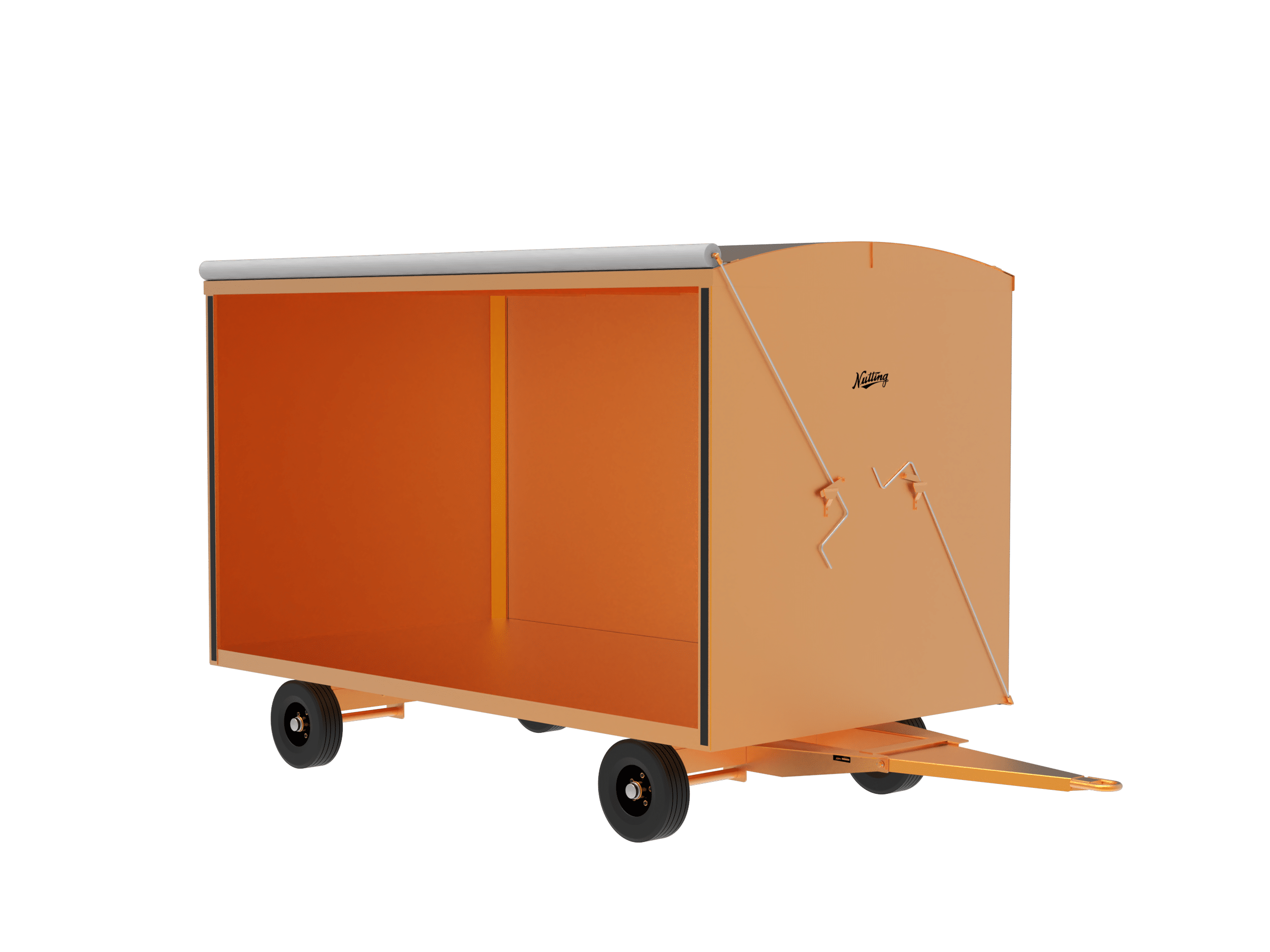
 

Nutting Pallet Carts Improve Your Warehouse’s Efficiency and Safety

Using forklifts to move heavy loads around your warehouse or distribution center can be dangerous and time-consuming. That’s where our pallet carts come in. Nutting offers both single-pallet and double-pallet carts, as well as customizable options to suit the specific needs of your operation. Our pallet carts are built with safety, ergonomics, and OSHA regulations in mind. Our team of experts can help you select the suitable model for your facility and material handling needs. 

Engineered to integrate with your existing operation seamlessly, our carts can be customized with various features to accommodate different types of loads.

Nutting has over 100 years of experience designing and manufacturing high-quality pallet carts, so you can be confident that you’re getting the best possible product for your needs. Contact us today to learn more about our pallet carts and how they can improve operational efficiency in your warehouse or distribution center.

Pallet Carts – Move Pallets Safely in Your Facility

Pallet carts are a safe and efficient way to move pallets around a facility without using a forklift. Nutting offers both single-pallet and double-pallet carts, as well as customizable options to suit the specific needs of your operation. Our pallet carts are built with safety in mind, and our team of experts can help you select the suitable model for your facility. 

Some of the key features of our pallet carts include:

  • Customizable to accommodate single or double pallet loads
  • Engineered to seamlessly integrate with your existing warehouse operation
  • Various customization options available to suit your specific needs
  • Improves efficiency and safety while reducing the amount of time spent moving pallets around

Nutting offers a range of industrial pallet carts, container trolleys, and flat deck carts that can be manually pushed or tugged in a train. Our carts are designed to accommodate the commonly used dimensions of 48-inch and 45-inch containers. With our diverse range of pallet cart solutions, we can meet the needs of any size pallet or container. 

How Nutting Pallet Carts Can Improve Your Warehouse’s
Efficiency and Safety

Using forklifts to move heavy loads of pallets around your warehouse or distribution center can be both dangerous and time-consuming. That’s where our pallet carts come in. Nutting pallet carts offer a variety of features that make them the perfect solution for safely and efficiently moving pallets around your warehouse or distribution center.

These options include the type of casters and wheels, steering options, deck type, shelving, and more. Pallet carts are commonly manufactured in the following product categories:
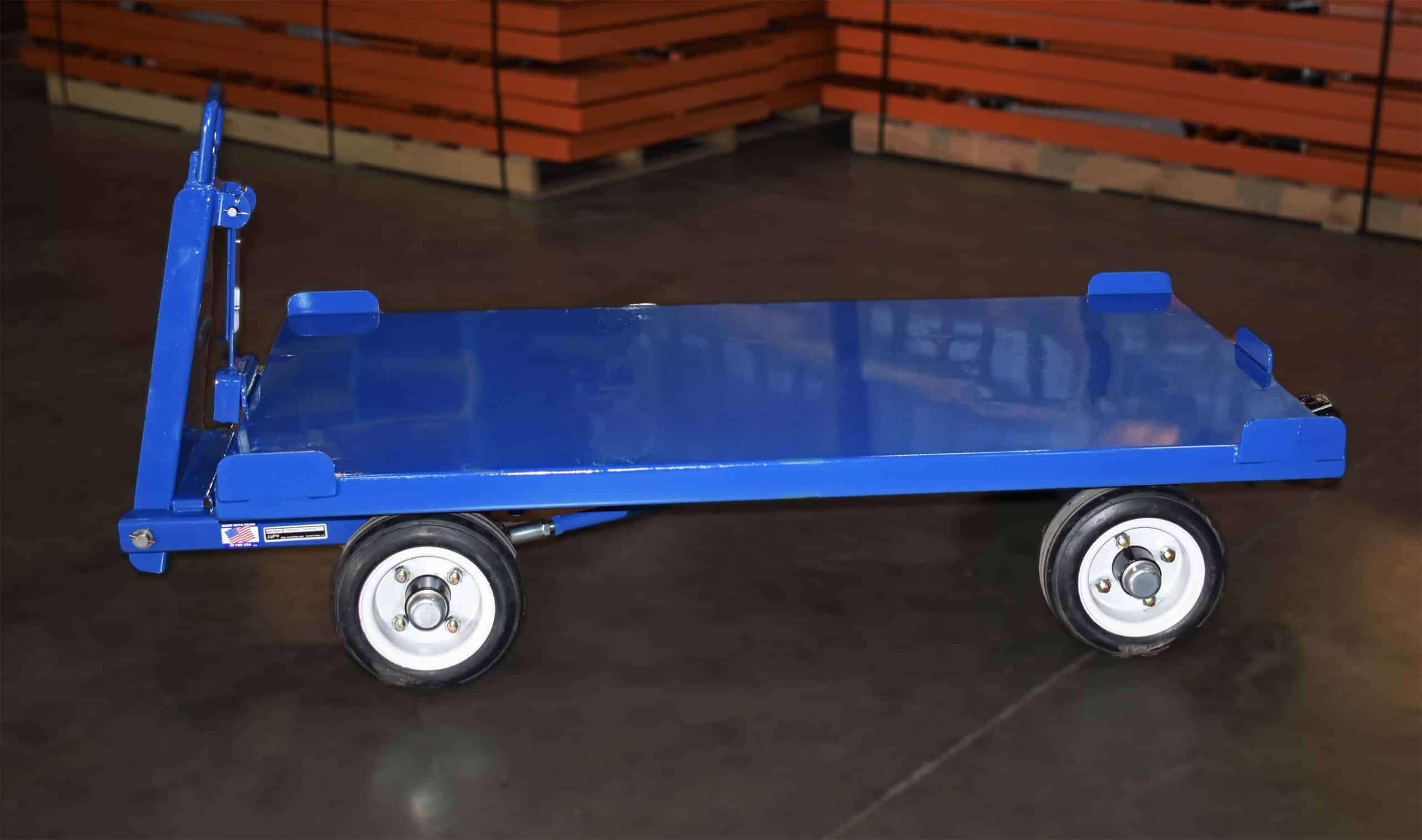
There are several reasons to choose Nutting pallet carts for your material handling needs. Firstly, our pallet carts are specifically designed for heavy-duty use, ensuring durability and longevity. Made from high-quality steel, our carts are built to withstand the rigors of any demanding industrial environment.

One of the standout features of the Nutting concept is its flexibility. We understand that every organization has unique requirements, and our pallet carts can be easily customized to match your exact needs. Whether the dimensions, load capacity, or additional features such as tow bars, we provide the freedom to design pallet carts that align perfectly with your materials, operators, and internal guidelines.

Investing in the right pallet cart can yield significant long-term cost savings. Equipment tailored to your specific requirements can optimize your material processing, transportation, manufacturing, or distribution operations.

Double Pallet Cart
Double Pallet Cart

Engineered to seamlessly integrate with your existing operation, our carts can be customized with various features to accommodate different types of loads.

Knowing which options when moving a pallet are best can save you time and money in the long run. That’s why it’s essential to consult an expert before purchasing.

Nutting has over 100 years of experience designing and manufacturing high-quality pallet carts, so you can be confident that you’re getting the best possible product for your needs. Contact us today to learn more about our pallet carts and how they can improve operational efficiency in your warehouse or distribution center.

Pallet Carts

Pallet Carts

Heavy Duty Pallet Carts A pallet cart, also known as a flatbed trolley, is an essential piece of equipment for transporting materials in various settings such as warehouses, distribution centers,...