The Comprehensive Guide to the NIOSH Lifting Equation

In this detailed guide, we will delve into the NIOSH Lifting Equation, a crucial tool used to assess the risk of lifting-related injuries in the workplace. As a leader in providing high-quality ergonomic solutions, we aim to help you understand the NIOSH Lifting Equation thoroughly and implement it effectively in your workplace. By optimizing your lifting practices, you can significantly reduce the risk of musculoskeletal disorders (MSDs) and enhance the overall well-being of your workforce.

Introduction to NIOSH Lifting Equation

The National Institute for Occupational Safety and Health (NIOSH) developed the NIOSH Lifting Equation as a standardized method to evaluate manual lifting tasks. The equation takes various factors into account to determine the Recommended Weight Limit (RWL) and the Lifting Index (LI) for a specific lifting task.

To learn more about the NIOSH Lifting Equation and its comprehensive background, we highly recommend referring to the official resource provided by the Centers for Disease Control and Prevention (CDC). You can access the detailed document at the following link: NIOSH Lifting Equation – Technical Documentation.

The Components of NIOSH Lifting Equation

  • Horizontal Location: The distance of the load from the worker’s body, affecting the biomechanics of the lift.

  • Vertical Location: The height from which the worker lifts the load, influencing the biomechanical stress.

  • Distance from the Body: The distance between the load and the worker’s body, impacting the level of strain during the lift.

  • Frequency of Lifting: The number of lifts performed per minute or hour, affecting fatigue and stress on the body.

  • Coupling: The ability to hold the load close to the body, reducing the biomechanical load during lifting.

  • Asymmetry: The extent to which the load deviates from the vertical axis, affecting the balance and stress on the body.

Understanding the NIOSH Lifting Equation

The NIOSH Lifting Equation helps in determining whether a lifting task is within safe limits or poses a risk of injury to the worker. By calculating the Recommended Weight Limit (RWL) and the Lifting Index (LI), employers can identify potential hazards and take necessary measures to mitigate risks.

Calculating the Recommended Weight Limit (RWL)

The RWL is the maximum weight that a worker can safely lift under ideal conditions without an increased risk of injury. The equation considers six major variables:

RWL = LC × HM × VM × DM × AM × FM × CM

Where:

  • LC (Lift Constant): A value representing the percentage of the population that can perform the lifting task without any risk of injury.

  • HM (Horizontal Multiplier): Accounts for the horizontal distance between the worker and the load.

  • VM (Vertical Multiplier): Factors in the vertical distance of the lift.

  • DM (Distance Multiplier): Considers the distance of the load from the worker’s body.

  • AM (Asymmetric Multiplier): Addresses the asymmetry of the load during lifting.

  • FM (Frequency Multiplier): Incorporates the frequency at which the lifting task is performed.

  • CM (Coupling Multiplier): Reflects how effectively the worker can hold the load close to the body.


Calculating the Lifting Index (LI)

The Lifting Index (LI) is another essential component of the NIOSH Lifting Equation. It compares the weight of the load to the RWL, providing an indication of the risk level associated with the lifting task.

LI = Load Weight / RWL

A Lifting Index value greater than 1.0 indicates that the lifting task may pose an increased risk of injury to the worker.

Use our calculator below to easily find your Recommended Weight Limit and your Lifting Index.

RWL and LI Calculator

RWL and LI Calculator

Implementing NIOSH Lifting Equation in Your Workplace

To ensure the safety and well-being of your employees, it’s crucial to integrate the NIOSH Lifting Equation into your workplace practices. Follow these steps for effective implementation:

Step 1: Identify Lifting Tasks

Identify all manual lifting tasks performed in your workplace. Categorize them based on their frequency, weight, and other relevant factors.

Step 2: Gather Necessary Data

Collect data for each lifting task, including the weight of the load, horizontal and vertical distances, distance from the body, and the frequency of lifting.

Step 3: Calculate RWL and LI

Using the NIOSH Lifting Equation, calculate the Recommended Weight Limit (RWL) and the Lifting Index (LI) for each lifting task.

Step 4: Evaluate Risk Levels

Assess the risk levels associated with each lifting task based on the Lifting Index (LI) values. Prioritize tasks with LI values greater than 1.0 for immediate attention.

Step 5: Implement Ergonomic Solutions

Implement ergonomic solutions to reduce the risk of injury in tasks with LI values exceeding 1.0. Consider using lifting aids, adjusting task parameters, or redesigning workstations to improve safety.

When it comes to reducing the risk of injuries during manual lifting tasks, industrial carts can play a crucial role. These carts are designed to facilitate the transportation of heavy loads efficiently and safely. By using industrial carts in combination with adhering to NIOSH lifting requirements, employers can significantly minimize the physical strain on workers and prevent musculoskeletal injuries.

Step 6: Training and Education

Provide comprehensive training to employees on proper lifting techniques, ergonomic practices, and the importance of adhering to safe lifting guidelines. Educate them on how industrial carts can be effectively utilized to reduce the need for manual lifting and enhance overall safety.

Step 7: Regular Review and Improvement

Regularly review the effectiveness of implemented solutions and make improvements where necessary. Continuously monitor lifting tasks to ensure they remain within safe limits. Encourage feedback from workers to identify areas of improvement and address any potential safety concerns promptly.

The Role of Custom Carts in Injury Reduction

While industrial carts offer great benefits in reducing lifting-related injuries, custom carts can take workplace safety to the next level. Custom carts are tailored to meet specific workplace needs, considering factors such as load size, shape, and weight, as well as the layout of the facility. By investing in custom carts, employers can create a more ergonomic and user-friendly environment for their workforce.

Custom carts can be equipped with features like adjustable heights, secure locking mechanisms, and specialized cushioning to provide optimal support and protection for different types of loads. This not only reduces the risk of injury but also increases efficiency and productivity as workers can handle tasks more effectively. Custom carts are designed to fit seamlessly into the workflow, ensuring a smooth and safe material handling process.

In conclusion, the NIOSH Lifting Equation serves as a crucial guide in determining safe lifting practices, and its implementation can significantly reduce the risk of workplace injuries. Pairing the NIOSH requirements with industrial carts and considering custom cart solutions can create a safer, more productive, and employee-friendly workplace environment. Prioritize your workforce’s well-being, and you’ll witness enhanced productivity, reduced absenteeism, and an overall flourishing organization. Remember, safety is the foundation of success in any business, and by following these guidelines, you can create a workplace that prioritizes the health and safety of its employees.

 

Warehouse Picks Per Hour: Maximizing Efficiency and Productivity

Warehouse Picks per Hour: Maximizing Efficiency and Productivity

Effective warehouse management is vital for businesses to meet customer demands, reduce errors, and increase profitability. By understanding and implementing key practices, you can streamline your operations and achieve higher picks per hour, leading to tremendous success in the highly competitive market.

Warehouse Picks per Hour Explained

Warehouse picks per hour is a crucial metric that measures the number of items an employee can pick and pack in a single hour. This metric indicates the overall efficiency and productivity of a warehouse operation. The higher the number of picks per hour, the more efficient the warehouse is in fulfilling orders promptly and accurately.

Understanding the Factors Influencing Warehouse Picks per Hour

To improve picks per hour, it’s essential to identify the factors that impact this metric. Let’s explore these factors in detail:

1. Warehouse Layout and Organization

An organized warehouse layout plays a significant role in enhancing picking efficiency. By structuring the storage areas logically and minimizing unnecessary travel distances, employees can quickly locate and retrieve items, resulting in more picks per hour.

2. Utilization of Technology

Advanced technologies, such as Warehouse Management Systems (WMS) and barcode scanners, can significantly improve warehouse productivity. WMS allows real-time inventory tracking and optimized picking routes, reducing errors and maximizing picks per hour.

3. Employee Training and Skill Development

Well-trained warehouse staff can work efficiently and make accurate picks, positively impacting picks per hour. Regular training sessions ensure that employees are updated on the latest techniques and safety protocols, contributing to increased productivity.

4. Order Batching

Grouping similar orders for picking, also known as order batching, reduces travel time within the warehouse, leading to higher picks per hour. Efficient order batching can be achieved through smart algorithms and analysis of order patterns.

5. Seasonal Demand Variation

Warehouses often experience fluctuations in demand based on seasons or specific events. By forecasting and planning for these variations, warehouse managers can optimize their resources and maintain high picks per hour throughout the year.

6. Pick Path Optimization

Analyzing and optimizing pick paths can significantly impact picks per hour. Employees can reduce travel time and complete more picks in an hour by prioritizing high-demand items and arranging them closer to the packing area.

7. Equipment and Machinery

Investing in modern and efficient picking equipment, such as conveyor belts and pick-to-light systems, can streamline the picking process, resulting in more picks per hour.

8. Performance Tracking and Incentives

Implementing performance tracking systems and offering incentives based on picks per hour can motivate employees to achieve higher productivity levels.

Strategies to Improve Picks per Hour

Now that we have explored the factors influencing average warehouse pick rates let’s dive into actionable strategies to enhance productivity, including how to improve pick rate and how to pick faster in a warehouse:

1. Conduct a Warehouse Audit

Begin by conducting a comprehensive warehouse audit to identify areas for improvement. Assess the layout, storage systems, technology, and employee workflows. Use data-driven insights to make informed decisions.

2. Implement a Warehouse Management System (WMS)

Invest in a reliable WMS to streamline inventory management and optimize picking routes. WMS allows for real-time inventory tracking, reducing stockout chances, and minimizing pick errors.

3. Optimize Warehouse Layout

Rearrange your warehouse layout to minimize travel distances and create efficient pick paths. Group frequently picked items and place them near the packing area to reduce travel time.

4. Introduce Automation

Automation, such as robotic picking systems, can significantly improve warehouse efficiency. Consider integrating automation into your processes to handle repetitive and time-consuming tasks.

5. Continuous Training and Development

Provide regular training sessions to your warehouse staff to enhance their skills and update them on best practices. Well-trained employees are more confident and productive.

6. Use Data Analytics

Leverage data analytics to identify trends, demand patterns, and seasonal variations. Use this data to forecast demand and plan resources accordingly.

7. Optimize Order Batching

Use intelligent algorithms to optimize order batching and reduce unnecessary travel within the warehouse.

8. Employee Motivation and Incentives

Recognize and reward top-performing employees based on their picks per hour. Incentives can be in the form of bonuses, gift cards, or other rewards.

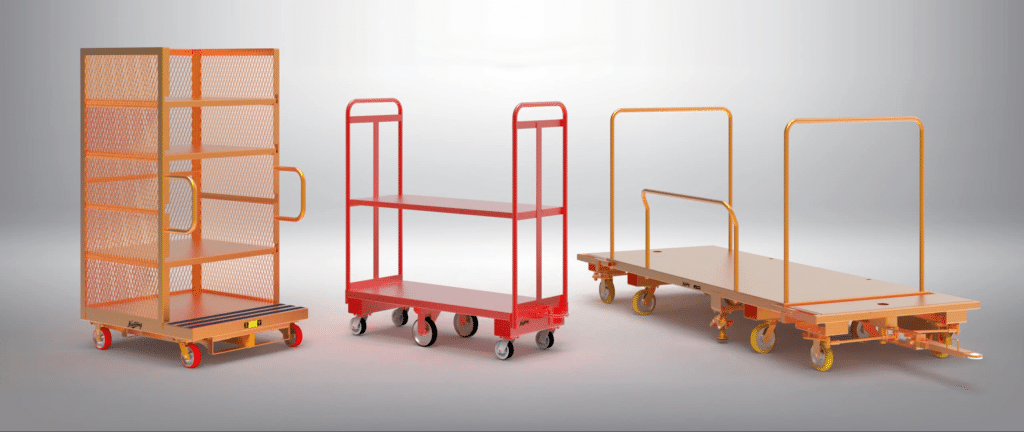
How Custom Platform Trucks, Order Picker Carts, and Tugger Carts Improve Picks per Hour

Custom platform trucks, order picker carts, and tugger carts by Nutting Carts and Trailers are valuable tools that can significantly boost picks per hour and overall warehouse efficiency. Here’s how they help:

1. Efficient Material Handling

Custom platform trucks and tugger carts are designed to efficiently handle various materials and goods. Their sturdy construction and ergonomic features enable warehouse workers to transport larger loads in a single trip, reducing the number of trips needed for picking.

2. Enhanced Order Picking Process

Order picker carts with secure compartments and adjustable shelves facilitate organized order picking. Workers can easily arrange items based on order specifications, leading to faster and more accurate picks per hour.

3. Streamlined Zone Picking

Zone picking is an efficient picking method where each worker is assigned a specific zone to pick items from. Custom platform trucks and tugger carts enable workers to move quickly between zones, ensuring a smooth and streamlined zone-picking process.

4. Flexibility and Adaptability

Nutting Carts and Trailers offer a range of customizable options for their carts and trucks, allowing businesses to tailor the equipment to their specific needs. This flexibility ensures the equipment aligns perfectly with the warehouse’s layout and picking processes.

5. Time Savings

By reducing the time spent on manual material handling and organizing items for picking, custom platform trucks, order picker carts, and tugger carts contribute to significant time savings, ultimately leading to higher picks per hour.

6. Improved Safety

These specialized carts and trucks are designed with safety features in mind, such as sturdy brakes and non-slip surfaces. A safe environment encourages employees to work efficiently without risking accidents or injuries.


FAQs (Frequently Asked Questions)

1. How Can Custom Platform Trucks Improve Warehouse Efficiency?

  • Custom platform trucks enable efficient material handling, allowing workers to transport larger loads in a single trip, reducing the time spent moving items and improving picks per hour.

2. What Are the Benefits of Zone Picking in Warehousing?

  • Zone picking allows for a more organized and streamlined picking process.

  • It minimizes travel time and ensures efficient distribution of work among employees, leading to improved picks per hour.

3. How Can Order Picker Carts Enhance Order Picking?

  • Order picker carts offer secure compartments and adjustable shelves to facilitate organized order picking.

  • Workers can easily arrange items based on order specifications, leading to faster and more accurate picks per hour.

4. What Makes Tugger Carts Ideal for Material Transport in Warehouses?

  • Tugger carts are designed to move materials between zones in a warehouse efficiently.

  • They are adaptable and flexible, aligning perfectly with the warehouse’s layout and picking processes.

5. How Do Nutting Carts and Trailers Ensure Safety in Warehouse Operations?

  • Nutting Carts and Trailers prioritize safety in their designs, incorporating sturdy brakes and non-slip surfaces to prevent accidents and injuries.

  • This creates a safe and productive working environment.

6. Can Using Custom Carts and Trucks Help Meet Warehouse Picking Time Standards?

  • Custom carts and trucks can significantly contribute to meeting and exceeding warehouse picking time standards.

  • They achieve this by reducing manual handling time and streamlining the picking process.

Efficient warehouse picks per hour are critical to successful warehousing and order fulfillment. By understanding the factors influencing picks per hour and implementing effective strategies, including how to improve pick rate and how to pick faster in a warehouse, as well as the use of custom platform trucks, order picker carts, and tugger carts by Nutting Carts and Trailers, businesses can optimize their warehouse operations, improve productivity, and thrive in a competitive supply chain landscape. 

Remember, continuous improvement and investing in reliable equipment are vital to achieving higher picks per hour and ensuring customer satisfaction.

Batch Picking: The Foundation of Warehouse Efficiency

In the world of logistics and warehousing, efficiency is key to meeting customer demands and ensuring seamless operations. One of the essential strategies to achieve this is through batch picking and fulfillment batching. These methods optimize the order fulfillment process and enhance overall warehouse productivity.

The Importance of Batch Picking in Modern Warehousing


Batch picking, also known as cluster picking or multi-order picking, is a fundamental technique used in warehouses to fulfill multiple orders simultaneously. This method involves picking items for multiple orders in a single pass through the warehouse, reducing travel time and increasing overall picking efficiency.


Batch picking has become increasingly popular in modern warehousing due to its numerous advantages. By consolidating orders into one pick route, it minimizes unnecessary travel and maximizes the number of orders fulfilled per hour. This process significantly reduces the time and effort required to complete each order, improving operational efficiency and customer satisfaction.


Implementing Batch Picking: Best Practices


To implement batch picking successfully, warehouses must consider various factors, such as order profiles, inventory layout, and demand patterns. Here are some best practices to optimize batch picking operations:

  • Order Clustering Based on SKUs: Group orders with similar SKUs together to minimize the number of different items picked in a single batch.

  • ABC Analysis for Slotting: Use the ABC analysis method to slot fast-moving SKUs closer to the packing area, reducing travel time and enhancing efficiency.

  • Dynamic Slotting: Regularly review order profiles and adjust slotting strategies accordingly to ensure continuous improvement in the batch picking process.

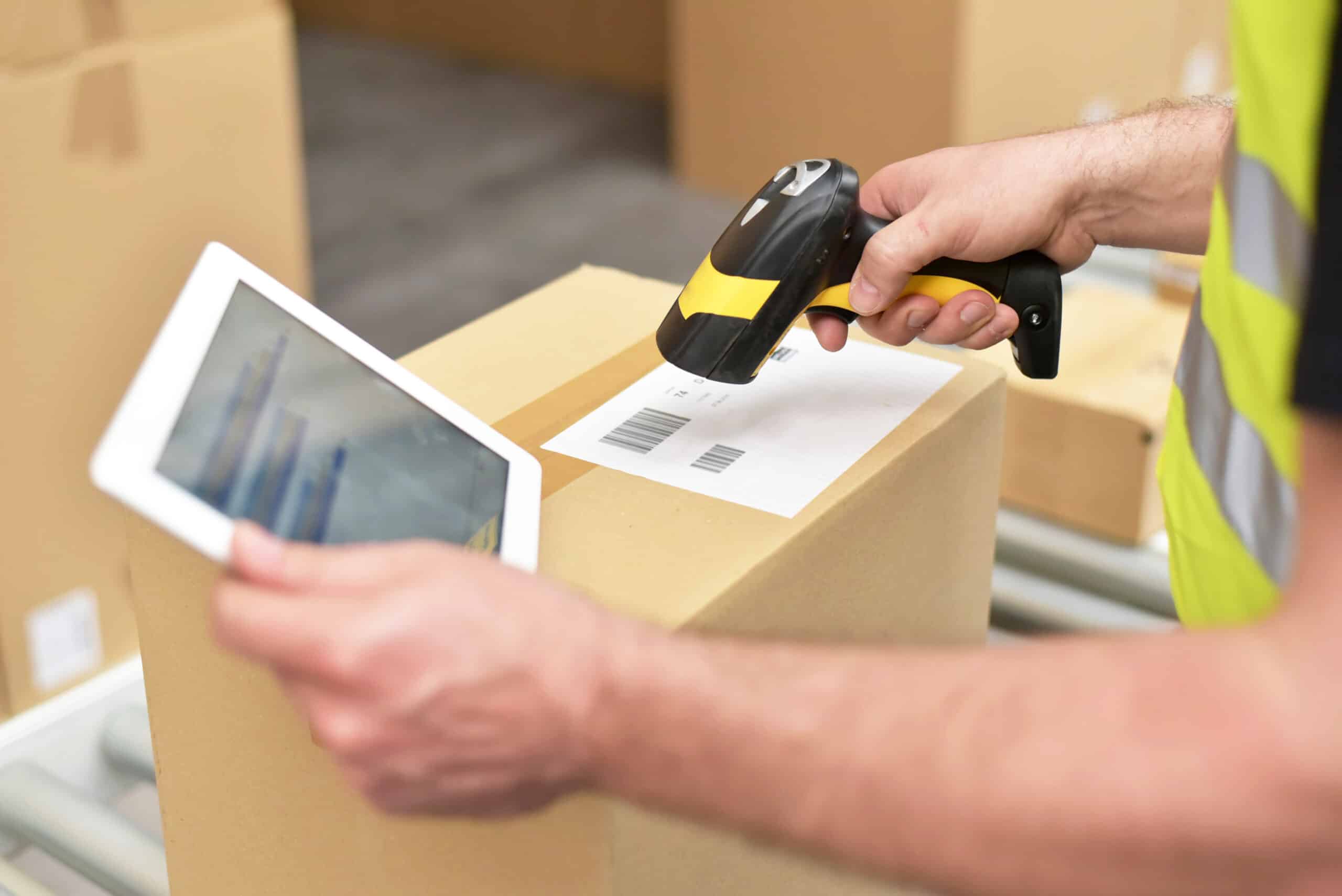
Scanning order to put on Nutting Order Picking Cart

How Warehouse Carts Can Help in Batch Picking


Warehouse carts are indispensable tools that support batch picking operations. These carts are designed to carry multiple items simultaneously, enabling pickers to gather items for multiple orders simultaneously. With the ability to hold a diverse range of products, warehouse carts make it easier for pickers to organize and transport items through the warehouse, reducing the need for frequent trips.


Warehouse carts come in various designs, including shelf carts, bin carts, and multi-level carts. Each type can be custom engineered to accommodate specific order profiles, making batch picking a more streamlined and efficient process. By equipping pickers with the right cart type, warehouses can optimize their batch picking operations and achieve higher productivity levels.

Material Handling Carts
Fulfillment Batching: Streamlining Order Fulfillment

Fulfillment batching is another crucial aspect of warehouse operations, focusing on aggregating orders before processing them through the order fulfillment pipeline. This technique optimizes the entire order-to-delivery cycle and ensures timely delivery to customers.


The Advantages of Fulfillment Batching

Fulfillment batching offers several advantages that contribute to smoother operations and increased customer satisfaction:

  • Reduced Shipping Costs: By combining multiple orders into a single batch, warehouses can reduce shipping costs, benefiting both the business and the end customer.

  • Optimized Delivery Routes: Consolidating orders allows for more efficient delivery routes, resulting in faster and more reliable delivery times.

  • Minimized Order Processing Time: Batching orders streamlines the picking, packing, and shipping processes, reducing the time required to fulfill each order.

Efficient Order Processing: Key Strategies

To achieve optimal results with fulfillment batching, warehouses must implement the following strategies:

  • Real-Time Order Aggregation: Utilize warehouse management systems (WMS) to aggregate orders in real-time and identify suitable batches.

  • Order Prioritization: Prioritize time-sensitive orders to ensure they are processed quickly and delivered promptly.

  • Shipping Label Automation: Automate the printing of shipping labels for each batch to reduce errors and enhance efficiency.

How Warehouse Carts Support Fulfillment Batching

Warehouse carts play a crucial role in supporting fulfillment batching as well. Using specialized carts with dividers and compartments, pickers can efficiently organize and separate items for different orders within the same batch. This reduces the risk of errors during packing and ensures that each order is accurately fulfilled.


Furthermore, with the help of mobile carts, pickers can easily transport batches of orders to the packing area, eliminating the need for multiple trips back and forth. This streamlined process saves time and reduces the risk of misplacement or mix-up of items.


Warehouse carts are versatile tools that adapt to various fulfillment scenarios, making them essential for successful fulfillment batching operations.


Warehouse Batch Picking vs. Zone Picking: A Comparison


When it comes to optimizing order fulfillment, warehouse batch picking and zone picking are two commonly used methodologies. Let’s compare these approaches to understand their strengths and weaknesses.


Warehouse Batch Picking

As discussed earlier, warehouse batch picking involves picking items for multiple orders in a single pass through the warehouse. This method is ideal for warehouses with various SKUs and order profiles.


Zone Picking

On the other hand, Zone picking divides the warehouse into specific zones, with each picker responsible for picking items only from their designated zone. This approach is suitable for larger warehouses with a high volume of orders.


Which Method Should You Choose?

The decision between warehouse batch picking and zone picking depends on various factors, including warehouse size, order volume, and product diversity. Some warehouses may even adopt a hybrid approach, combining elements of both methods for the best results.


Embracing Technology: The Future of Batch Picking and Fulfillment Batching

As the world of logistics evolves, technology continues to play a crucial role in optimizing batch picking and fulfillment batching processes.

The Rise of Automation

Automation technologies, such as robotics and autonomous guided vehicles (AGVs), are revolutionizing the warehouse industry. These advancements streamline order fulfillment by reducing the need for manual labor, improving picking accuracy, and enhancing overall efficiency.

Artificial Intelligence for Predictive Analytics

AI-powered predictive analytics enables warehouses to forecast demand patterns accurately. By analyzing historical data and market trends, warehouses can proactively adjust batch sizes and fulfillment strategies, staying ahead of customer demands.

Integration of Internet of Things (IoT)

The Internet of Things (IoT) facilitates seamless communication between devices and systems, enabling warehouses to monitor inventory levels, track shipments, and manage batch processing in real-time.


Batch picking and fulfillment batching are indispensable techniques for achieving efficiency in warehouse operations. By streamlining the order fulfillment process, optimizing picking routes, and leveraging advanced technologies, businesses can easily meet customer demands while minimizing operational costs.

Embrace the power of batch picking and fulfillment batching, supported by efficient warehouse carts, to enhance your warehouse’s performance, delight customers, and stay ahead in today’s competitive market.


Contact Us
Drag & Drop Files, Choose Files to Upload